
Integration of eSports disciplines into educational institutions' programs
Author: Hawk Live LLC
Last updated:
Cybersports in 2025 continues to gain popularity, having transformed over a long period of its development from a movement of enthusiasts into full-fledged competitive disciplines. The modern cybersports industry has created many professions that are directly or indirectly related to it. In this article, let's break down what areas of study exist, where you can get a profession in cybersports and who you can work for after graduation.
What directions of eSports education can students choose?
According to information from an interview with Jackson Armstrong, director of business development at Access Education Group, to Esports Insider, cybersports is increasingly comparable in popularity to traditional sports, and the ecosystem of this industry is rapidly expanding, needing an ever-widening number of specialists.
In 2025, universities around the world are training professionals in these areas:
Professional training of players within specific disciplines.
Management and analytics in cybersports. This direction covers the professional training of cybersport managers, statisticians, analysts, psychologists and marketers.
Technical disciplines. They include the training of IT specialists, game designers and other technical personnel who are engaged in the development of the games themselves.
At the same time, some educational institutions include cyber sports disciplines as an element of broader professional training programs, but also actively open highly specialized areas within the training of specialists for the gaming industry.
Which countries offer eSports education?
The leading countries in the development of cyber sports education are Great Britain, the USA and the Russian Federation. At the same time, the gradual integration of cyber sports into education is actively taking place all over the world. Let's take a closer look at the level of development of cyber sports education in different countries.
Cybersports education in the UK
According to The Times, the University of Chichester in the UK is launching the world's first cybersport psychology program. The institution will train undergraduate-level professionals who will be able to work effectively on mental preparation of players. Graduates will be able to work as coaches, mental health counselors and team process analysts. Courses include cognitive and social psychology, cybersports ethics, and research methods.
The country is also active in training professional cyber athletes in various disciplines, which is handled by the British Esports Federation, which has opened a separate campus in Sunderland.
 Credit: Sunderland College
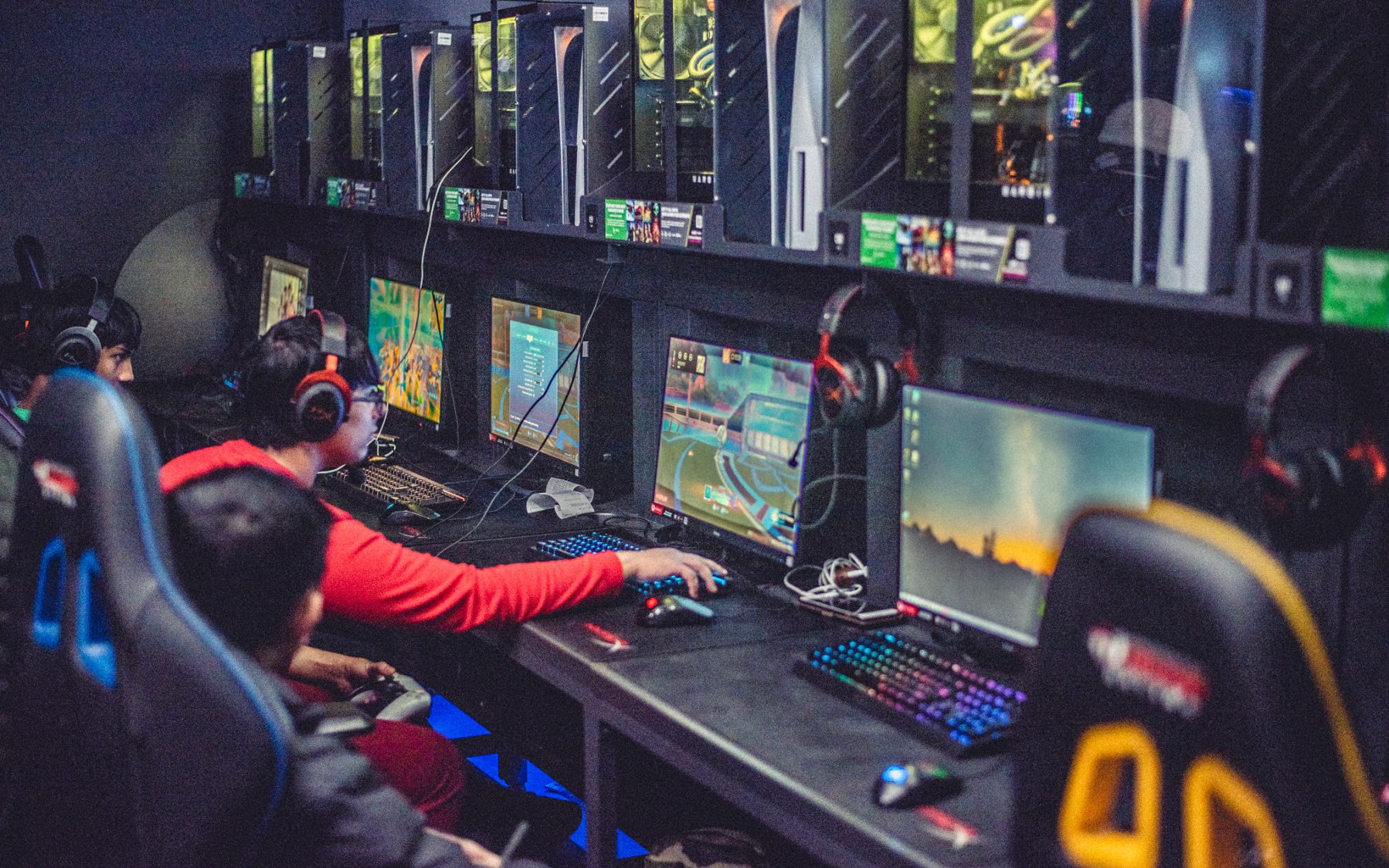
According to the UKIE report for 2023, the UK has one of the largest cybersports communities in Europe, which makes it relevant to implement a variety of educational projects. London's Access Creative College is introducing a comprehensive education program that includes areas such as coaching, event management, business, tactics analysis, commentary and health issues.
 Credit: Access Creative College
According to a statement from Jackson Armstrong, the college aims to not just prepare students for a career in cyber sports, but also provide them with useful skills in related disciplines.
“We strive to not only prepare students for a cybersports career, but also give them skills that can be useful in related fields,” Armstrong said.
The college partners with professional players and industry experts to create state-of-the-art cybersports spaces. Campuses in London, Bristol and Plymouth are equipped with top-of-the-range gaming PCs from Overclockers.
There is also the British Esports Federation Students Championships, which runs weekly tournaments for school children, as well as running training courses to prepare players for modern cyber sports disciplines. It has also developed extra-curricular clubs where students can explore the cyber sports industry while developing professional skills.
For the first time British students got the opportunity to get a full-fledged cyber sports education back in 2020 thanks to the launch of Pearson's Esports BTEC educational program. Now such educational programs are offered by a number of major universities in the country, including the University of Arts London (UAL).
Cybersports education in the United States
In the United States, cybersports is also being actively incorporated into the educational sphere, from elementary schools to colleges and universities. Initiatives are popping up in various states that focus on both the educational and competitive components.
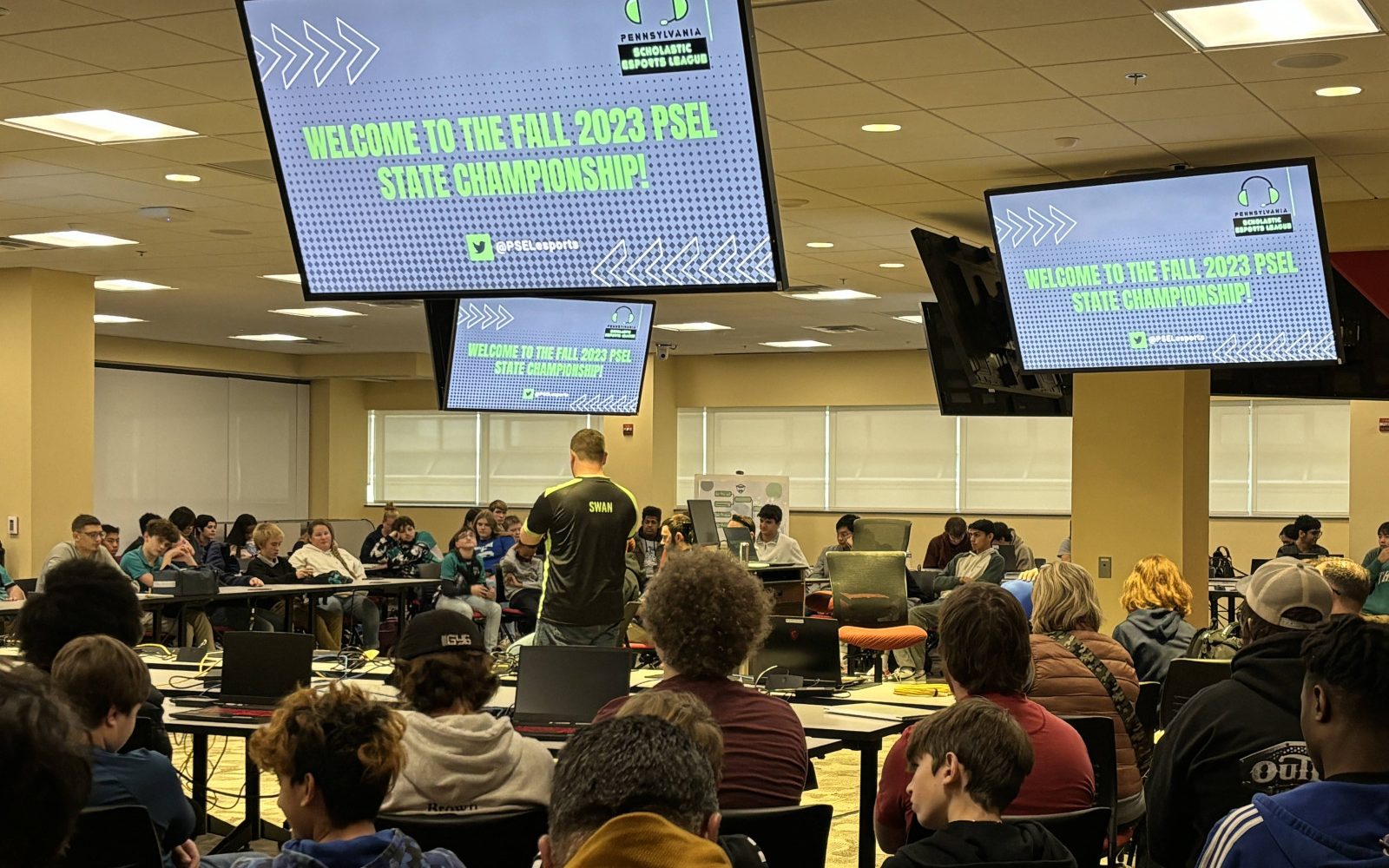
For example, the Pennsylvania Scholastic Esports League (PSEL) and Garden State Esports (NJ) are creating leagues and clubs for students to help them develop teamwork and critical thinking skills.
 Credit: PSEL
NASEF acts as an educational partner of the International Esports Federation (IESF), spreading the concept of project-based learning to 33 countries.
Some states, such as Georgia and California, are actively investing in the development of cybersports. Investments are aimed at organizing events to promote cyber sports among young people, as well as opening full-fledged educational programs at local universities. Moreover, young people in California are already studying cyber sports as part of their school curriculum.
Cybersports education in Russia
In the Russian Federation, cybersport continues to not only actively develop, but also recognized as a separate sports discipline at the official level. In 2016, the Ministry of Sports of the Russian Federation included cybersport in the register of official sports. such innovation became a serious impetus for its further development.
In 2025, some Russian universities and colleges include cybersports disciplines in their educational programs. For example, Plekhanov Russian University of Economics (REU) offers courses in cyber sports management, analytics and tournament organization, and actively supports youth cyber sports events in cooperation with the Russian Computer Sports Federation. There are also many private initiatives and academies specializing in training professional players and coaches. Since 2023, the Russian Cybersport Association together with educational institutions has been implementing training programs for cybersport professionals, including team management, streaming and match commentary.
Cybersports education in other countries
Thanks to the activities of the American organization NASEF, the concept of project-based learning is being integrated to varying degrees in 33 countries, but this process is most active in Japan and South Africa, where there are also youth organizations involved in promoting cyber sports among schoolchildren and students. Also, programs to train specialists for the cyber sports industry are gradually being introduced in advanced universities around the world, including Western European countries and Canada.
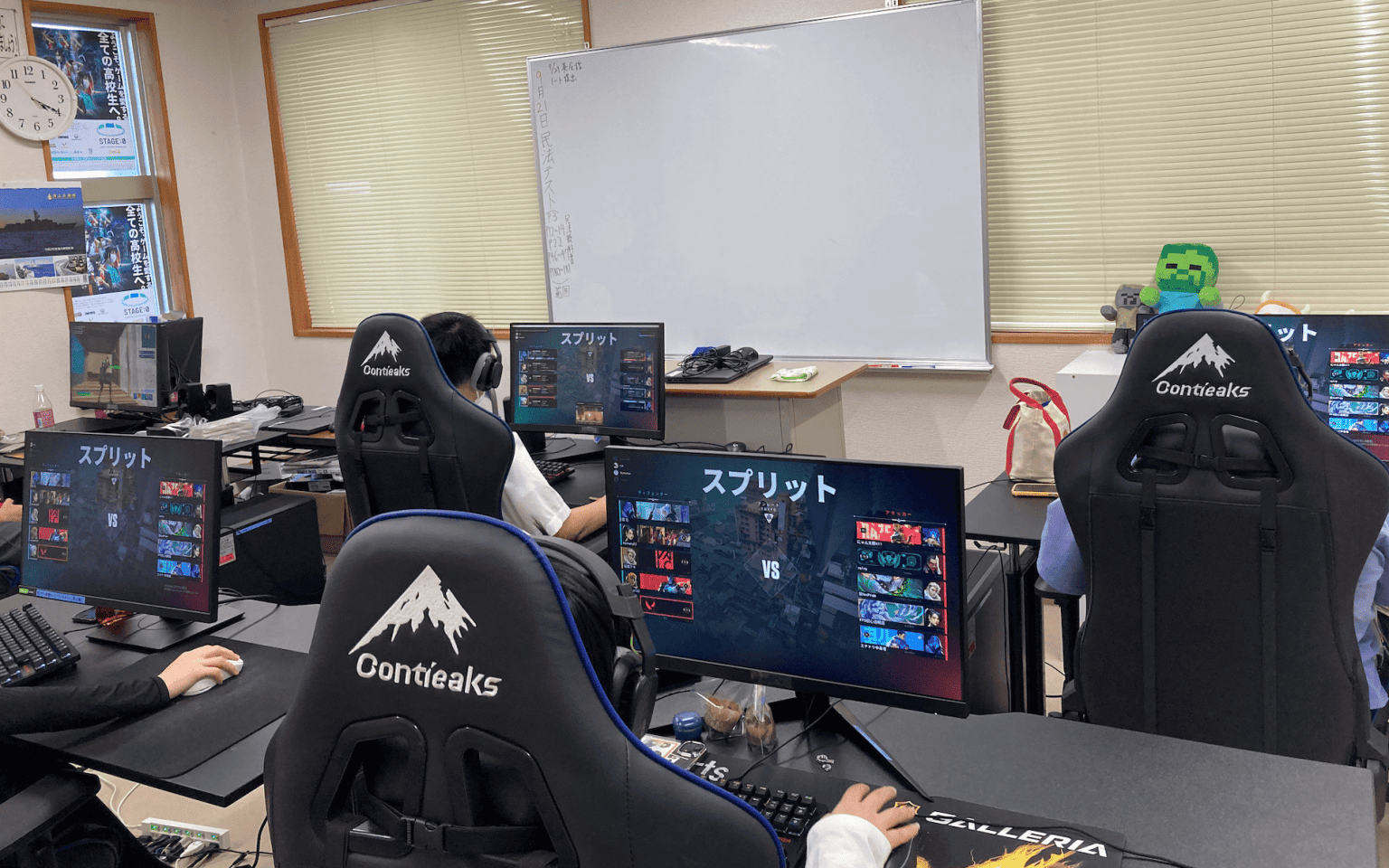 Credit: NASEF Japan
Cybersports organizations in the educational sphere
Let's take a brief look at the activities of the most famous cyber sports organizations working in the field of cyber sports education.
Country | Student eSports Organizations | What They Do |
|---|---|---|
USA | NASEF (Network of Academic and Scholastic Esports Federations) | International non-profit organization that promotes project-based learning through cybersports. Supports educational institutions in 33 countries. |
Pennsylvania Scholastic Esports League (PSEL) | Creates leagues and tournaments for high school and college students in Pennsylvania. | |
Garden State Esports (NJ) | Unites high school cyber sports clubs in New Jersey and develops educational programs. | |
Texsef (TX) | Regional league promoting high school and college cyber sports in Texas. | |
United Kingdom | British Esports Federation Students Championships | Organizes regular cyber sports competitions among school and college students. |
Pearson's Esports BTEC | The first national cybersports education program to offer professional training. | |
University of Arts London (UAL) | University offering courses and programs related to the cybersports industry. | |
Access Creative College | An educational institution offering not only a comprehensive degree program but also an advanced cybersports infrastructure across multiple campuses. | |
South Africa | Ruckus Media | A local organization dedicated to the development of cyber sports education in private schools. |
Japan | Japan High School Esports Federation (JHSEF) | Organizes competitions among high school students and helps to develop cyber sports infrastructure in educational institutions. |
Russia | Russian Computer Sports Federation (RCSF) | Regulates cybersport activities, organizes tournaments and popularizes cybersport. |
Moscow eSports Academy | A private academy specializing in training professional players and specialists to work in the industry. | |
Plekhanov Russian Economic University (REU) | A university that runs cybersport courses in partnership with RFCS. |
What is project-based learning in cyber sports?
One of the key activities of NASEF (Network of Academic and Scholastic Esports Federations) is the introduction of project-based learning (PBL, Project-Based Learning) of cyber sports topics into educational programs around the world. Unlike the traditional approach to education, project-based learning involves setting a student a specific long-term goal without a clear algorithm for solving it. The organization sees cyber sports not only as a competitive discipline, but also as a tool for developing academic and professional skills. As part of the organization's activities, students are involved in real projects related to the gaming industry. These projects may include managing cyber sports events, creating strategies for teams, and other highly specialized cyber sports tasks. This approach helps students learn important skills including data analysis, marketing, management, programming, and teamwork.
This approach to learning helps students who aspire to a career in cybersports not only gain useful professional skills, but also learn to find out-of-the-box ways to solve problems while adapting to the realities of the industry. As a result, NASEF is not just integrating cybersports into the educational system, but also helping to create a sustainable ecosystem where gaming skills translate into real-world career opportunities.
Job prospects in eSports after studying
After graduation, graduates of cybersports programs can work in a variety of positions in the industry. We suggest exploring examples of possible careers and their approximate salaries.
Position | Approximate salary (per month) |
|---|---|
Professional Player | From $2 000 to $15 000+ |
Team Manager | $3 000 – $5 000 |
Cybersports Analyst | $2 500 – $4 000 |
Coach | $3 000 – $6 000 |
Commentator (Caster) | $2 000 – $5 000 |
Cybersports psychologist | $2 000 – $5 000 |
Cybersports marketer | $3 000 – $6 000 |
You can read more about earning money in cybersports in one of our previous atricle.
According to Esports News UK, the first graduates of Pearson's Esports BTEC have graduated in 2022, having completed two years of training through various cyber sports education programs. In doing so, more than 200,000 students have passed through the UK's national cyber sports education program. Pearson's Esports BTEC graduates find employment in a wide variety of fields. Some of them start to build a cyber sports career directly as players, but many find employment in game development, event management, cyber sports journalism or marketing.
Among the graduates is Alex Rees, 18, from Dagenham, who has secured a position at the East London Institute of Technology, where he will be setting up equipment at the college arena, after which he plans to take up a position with a major tournament operator. Another successful example of a graduate from the program is David Croxford from Lewisham, who won the British Esports Student FIFA Championships. He has been involved in cyber sports since the age of 12 and has competed in many national tournaments in the UK.
Conclusion
Cybersports education is rapidly evolving along with the industry itself. Nowadays, it is possible to get such a specialty not only at preparatory courses, but also within the framework of university programs. Moreover, advanced educational institutions are actively popularizing cybersports among students, and in some countries such disciplines are introduced into school curricula.