
What regions are the most powerful in CS2 and Dota 2
Author: Hawk Live LLC
Last updated:
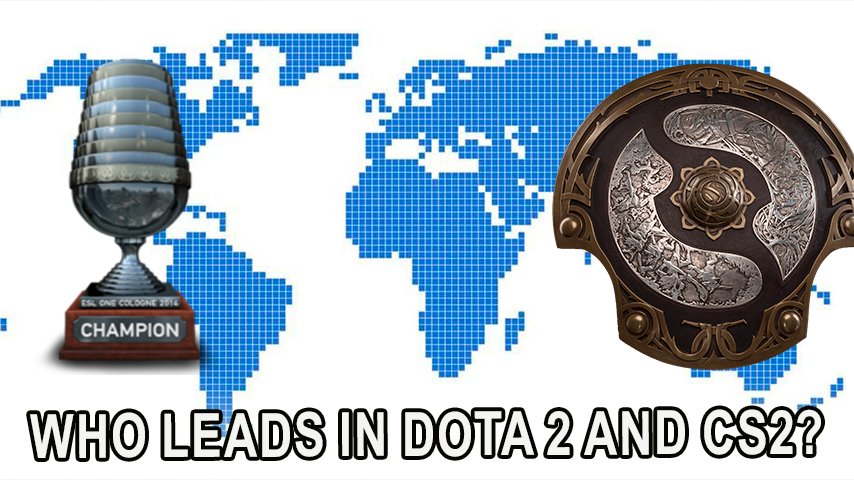
Esports is a rapidly growing industry where teams from different corners of the world compete for championship titles and impressive prize pools. Dota 2 and CS2 remain among the most popular disciplines. In this article, we will conduct a comparative analysis of the success of teams from various regions, examine the factors contributing to their dominance, and assess the impact of geographical location on results in esports.
What are the most successful Dota 2 teams by region?
Asia: Leadership of China and Southeast Asia
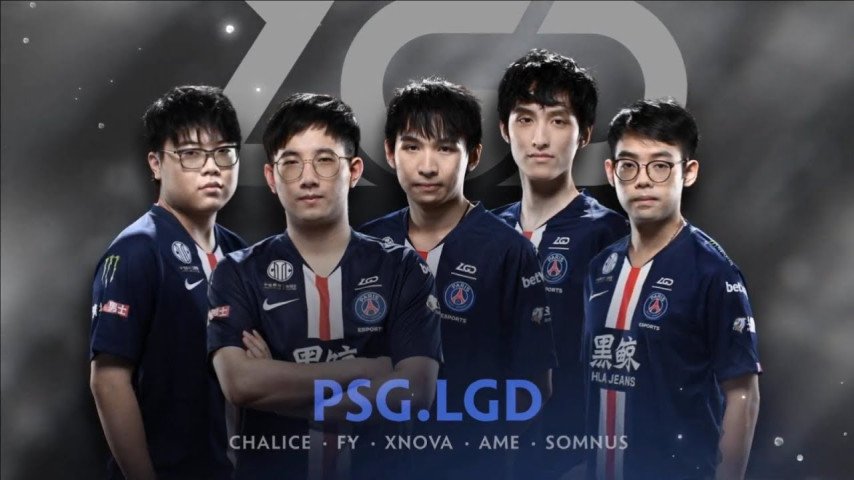
China and Southeast Asia (SEA) are traditionally considered the strongest regions in Dota 2. Chinese teams, such as PSG.LGD and Vici Gaming, consistently rank high in international tournaments. In 2021, PSG.LGD took second place at The International 10 (TI10), losing only to Team Spirit from the CIS. Factors contributing to the success of Chinese teams include a well-developed esports infrastructure, long-standing support from the government and sponsors, and a high level of competition within the country.
 Credit: YouTube
In SEA, teams such as TNC Predator and Fnatic have also achieved significant success. Despite having fewer resources compared to China, SEA showcases a high level of play thanks to player talent and active support from the local community.
Europe: Dominance of the CIS and Western Europe
Europe, particularly the CIS and Western Europe regions, also shows strong results in Dota 2. Team Spirit’s victory at TI10 is a bright example of the dominance of the CIS region. Teams from Western Europe, such as Team Secret and OG, have repeatedly won major tournaments, including OG’s two titles at TI8 and TI9. The high level of tactical preparation and experience of European players play a key role in their success.
 Credit: ITC.ua
North and South America
In North America, teams like Evil Geniuses are traditionally considered strong, but they rarely achieve top positions at The International. Despite growing interest in Dota 2 in South America, teams have yet to achieve significant success on the global stage. Factors limiting the success of North and South American teams include insufficient funding and a weak esports infrastructure.
Comparing the Success of CS2 Teams by Regions
Europe: Continuous Leadership
Europe, especially countries like Denmark, Sweden, and France, consistently leads in CS2. Teams like Astralis, Fnatic, and G2 Esports regularly occupy top positions in international tournaments. The Danish team Astralis dominated CS2 for several years, setting a standard in the CS2 world. A high level of organization, tactical mastery, and support from major sponsors contributed to their success.
North America
North America also demonstrates strong results in CS2, especially thanks to teams like Team Liquid and Evil Geniuses. Despite high competition, North American teams often fall short of European teams in major tournaments. Factors influencing the success of North American teams include a high level of funding and professional training.
Asia
Despite a high level of interest in esports, the Asian region has not yet achieved significant success in CS2. Teams from China, Korea, and other Asian countries rarely occupy high places in international tournaments. Main issues include insufficient competition within the region and a weak infrastructure for player training.
Tournament Results Tables
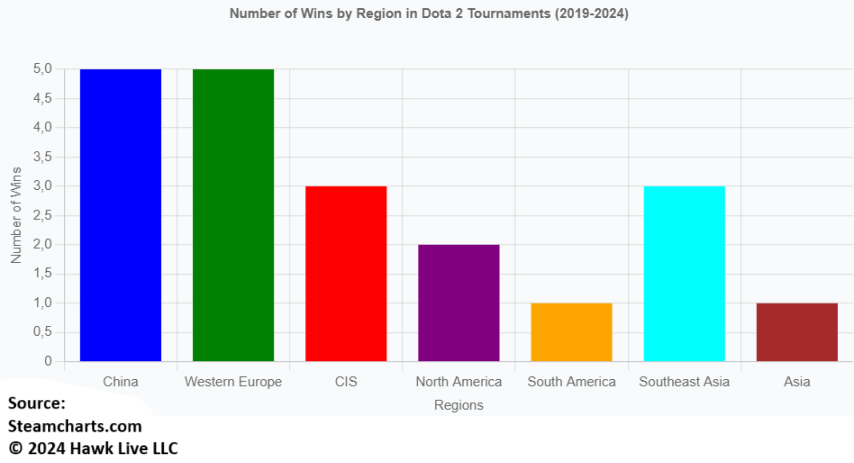
Dota 2 Tournament Results by Region (2020-2023)
Region | Tournaments | Wins | Prize Money (mil $) |
|---|---|---|---|
China | TI, Majors | 5 | 20 |
Western Europe | TI, Majors | 5 | 18 |
North America | TI, Majors | 2 | 10 |
Southeast Asia | TI, Majors | 2 | 8 |
CIS | TI, Majors | 3 | 7 |
South America | TI, Majors | 1 | 5 |
Asia | TI, Majors | 1 | 4 |
Oceania | TI, Majors | 0 | 0 |
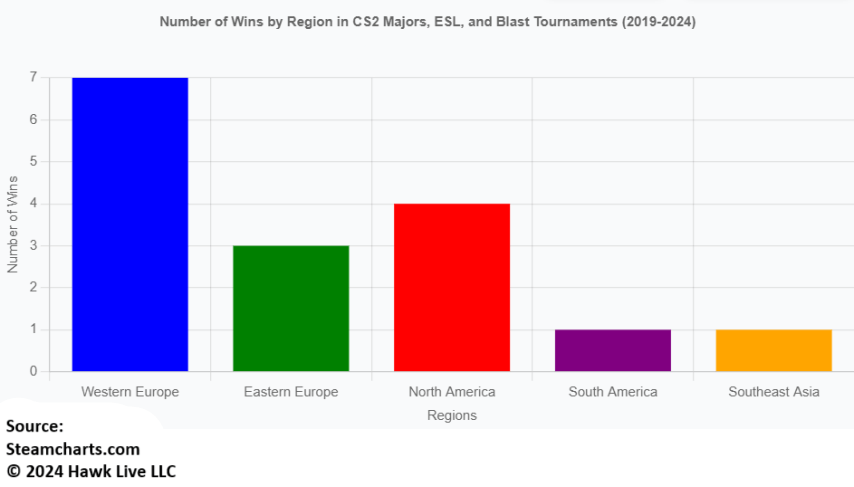
CS2 Tournament Results by Region (2020-2023)
Region | Tournaments | Wins | Prize Money (mil $) |
|---|---|---|---|
Western Europe | Majors, ESL, Blast | 7 | 21 |
North America | Majors, ESL, Blast | 4 | 12 |
Eastern Europe | Majors, ESL, Blast | 3 | 9 |
South America | Majors, ESL, Blast | 1 | 3 |
Southeast Asia | Majors, ESL, Blast | 1 | 3 |
Oceania | Majors, ESL, Blast | 0 | 0 |
Asia | Majors, ESL, Blast | 0 | 0 |
What factors contribute to success?
Infrastructure and Support: One key factor in the success of teams from different regions is the developed infrastructure and support from sponsors and the government. In countries like China and Denmark, there is active support for esports at all levels, allowing teams to prepare for competitions at a high level.
Competition within the Region: A high level of competition within the region also plays a crucial role in team success. In Europe and China, there are many strong teams, creating conditions for continuous growth and improvement of the level of play. In less developed regions, such as South America and Asia, the lack of competition limits opportunities for player development.
Talent and Tactical Mastery: Finally, the talent and tactical mastery of players are decisive factors in success. In regions like Europe and China, there are many talented players who can perform at a high level in international tournaments. European teams particularly stand out with their tactical preparation and innovative strategies.
What do experts think about this?
Analyzing the success of teams from different regions, experts note the importance of a comprehensive approach to the development of esports. Ivan "ArtStyle" Antonov, a former player and coach of Virtus.pro, believes that the success of teams from the CIS is due to a high level of motivation and constant support from the community. "Our players are ready to train for 12 hours a day to achieve success on the international stage," he notes.
Oleksandr "s1mple" Kostyliev, one of the best players in CS2, emphasizes the importance of individual skill and psychological resilience. "In CS2, every mistake can cost you victory, so it's important to maintain concentration and confidence in your abilities," he says.
Conclusion
Regional dominance in esports is determined by many factors, including developed infrastructure, the level of competition, talent, and tactical mastery of players. China, Europe, and North America continue to lead in disciplines such as Dota 2 and CS2, thanks to a comprehensive approach to the development of esports. At the same time, other regions, such as Asia and South America, face challenges that limit their success on the international stage. In the future, with the development of infrastructure and support from the government and sponsors, we can expect new leaders to emerge in the world of esports.
If you’re looking to deepen your understanding of esports, check out our other research, where we explore tournaments, strategies, and the overall growth of the industry.