

Low Priority in Dota 2: A Comprehensive Guide
Author: Hawk Live LLC
Last updated:
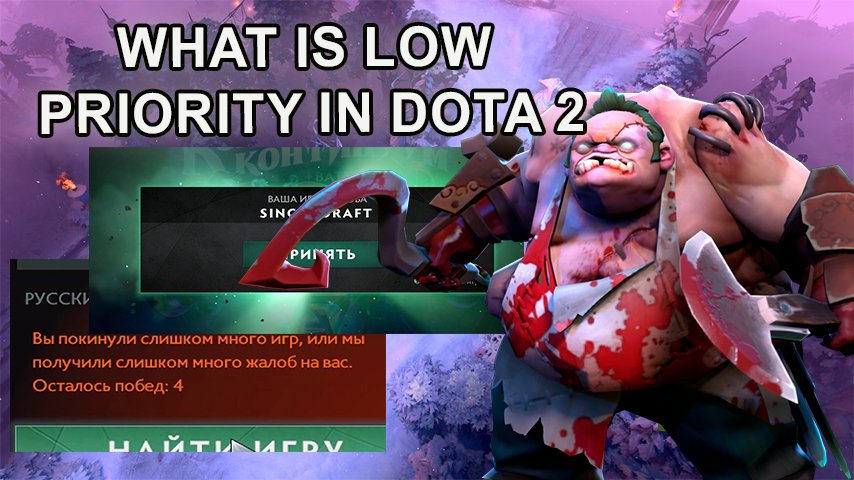
DotA 2 by Valve Corporation is an online game which uses the “Low Priority” system to keep it fair and fun for everyone. The developers have designed this system in such a way that players are discouraged from disruptive behavior and compelled to play their best game always, regardless of whether they are new or experienced.
What is Low Priority?
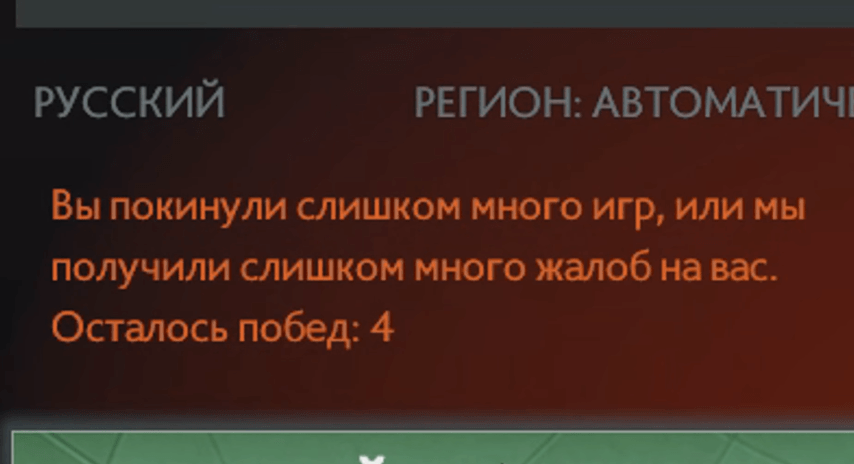
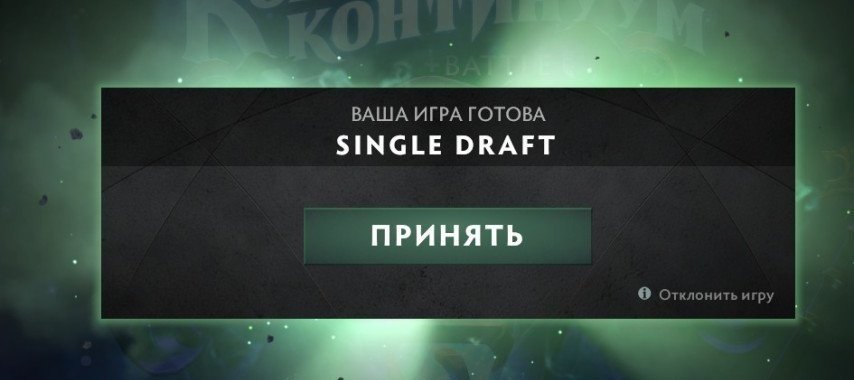
Low priority in DotA 2 refers to a mode where players with bad conduct scores are matched against each other. Players can be assigned this status for various reasons such as frequently abandoning games, receiving excessive reports, feeding couriers etcetera. Once you’re put into low priority matchmaking pool (LP), you will only be able to queue for single draft games until winning enough matches removes the penalty.

Credit: Valve Corporation
Reasons for Being Placed in Low Priority
Most reasons for being put in the low priority matchmaking pool revolve around ruining other people’s games. Here are some common examples:
Abandoning Matches: Leaving a game prematurely affects the game’s outcome and disrupts the experience for other players.
Excessive Reporting: Frequent reports from other players concerning disruptive behavior or communication abuse.
 Credit: Valve Corporation
Intentional Feeding and Griefing: Deliberately dying to the enemy or sabotaging one's team.
Duration and Escape from Low Priority
 Credit: Valve Corporation
The time spent within LPQ varies depending on how many wins one has to attain in single draft mode before exiting back into normal MM. It also comes down mainly upon how badly behaved you’ve been as well; If frequent flyer miles were given out every time someone got themselves landed here then we would all be sitting pretty waiting our next flight home right about now.
 Credit: Valve Corporation
Impact on Game Experience
Being in Low Priority affects several aspects of a player’s Dota 2 experience:
Matchmaking Time: Players will experience longer wait times.
Game Quality: Matches in Low Priority may involve players with similar negative behaviors, potentially leading to less cooperative gameplay.
Restrictions: No item drops, trophy points, or battle points are awarded in Low Priority, significantly reducing the incentives for playing.
Strategies to Avoid Low Priority
To avoid being placed in Low Priority, players should adhere to the following practices:
Positive Communication: Engage constructively with teammates and avoid toxic behavior.
Reliability: Avoid abandoning games. If you must leave, ensure it's for a valid reason and as infrequently as possible.
Community Engagement: Encourage positive interactions within the game to receive commendations, which can improve one's standing in the matchmaking system.
The Role of Community and Valve
Valve continues to refine its approach to managing community behavior, using algorithms to detect patterns of abuse and adjust matchmaking accordingly. However, the community plays a crucial role in maintaining the gaming environment by reporting genuine cases of abuse or negative behavior and not misusing the report system.
Conclusion
Low Priority is Valve's way of telling you that your behaviour was bad during a game. It’s a good thing to understand how this system works and why it exists so that you can avoid future mistakes which might result into being placed in LPQ yet again thereby ruining not only your own experience but also that of others as well who are just looking for some fun while playing their favourite video game – Dota 2.