
Esports in South America
Author: Hawk Live LLC
Last updated:
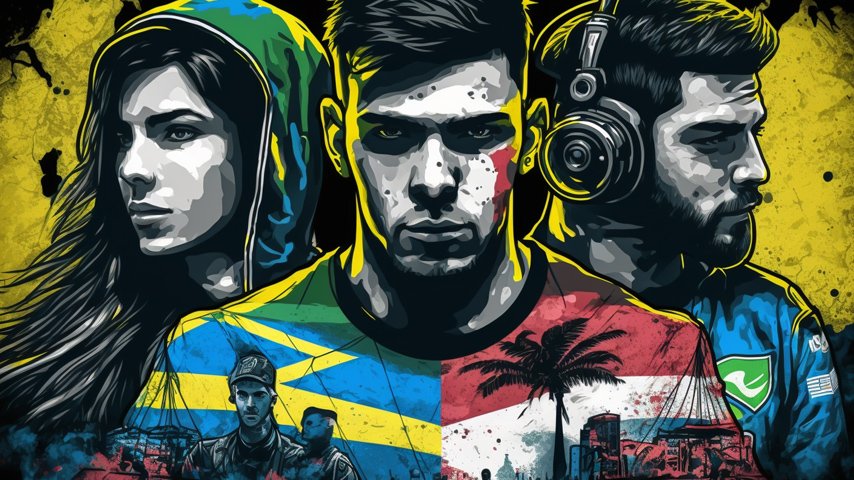
Today, in the sunny countries of South America, esports are loved no less than traditional football. SA is considered one of the fastest-growing markets in the world. New serious competitions are emerging, teams are becoming more professional, and players work hard and responsibly to achieve their goals.
The leading countries in this direction are Peru and Brazil. In Brazil, the number of professional players is 2,858, who have won prizes worth $21,891,851. In 2020, 8,000,000 unique viewers were registered during the celebration of the opening season of the League of Legends Liga Latinoamérica (LLA). Moreover, in 2022, the number of esports viewers in the region reached 70,000,000.
In this article, we will investigate how esports emerged in SA, why this region is considered one of the most promising, and what we can expect in this region in 2023.
How did esports emerge in SA?
Today, esports represent a multi-billion-dollar industry. It is also one of the most promising industries in the world, in which a significant part of modern youth is interested. The first attempts to create esports came to SA from more progressive NA. In 1972, some of the first video game competitions were held at Stanford University. Students organized competitions for the game Spacewar. The entertainment resembled a primitive form of the "Deathmatch" mode. The winner received the unofficial title of the first winner of virtual games in the history of esports events and several certificates.
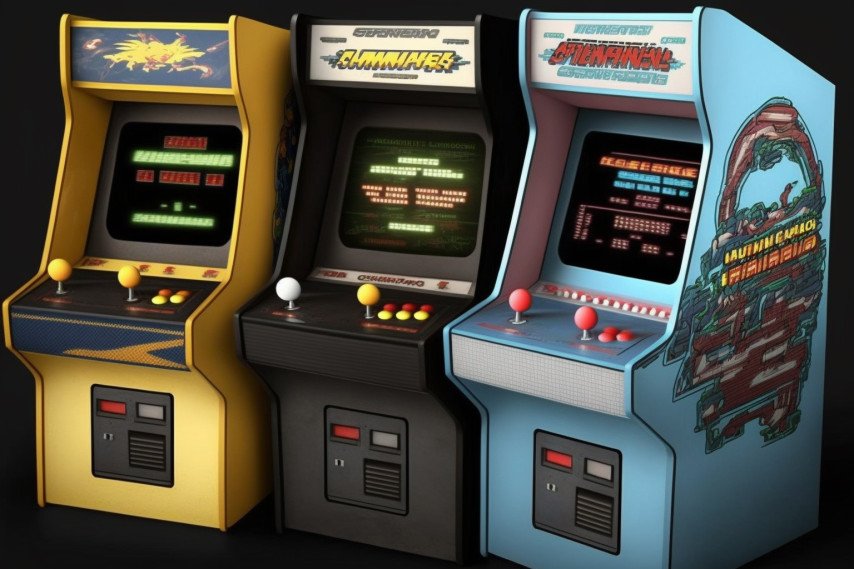
Then there was the era of arcade games. From the 1980s to the 1990s, arcades were an integral part of shopping centers, amusement parks, and entertainment centers throughout the region. Games like Pac-Man, Space Invaders, and Street Fighter II were particularly popular, and many people have fond memories of spending hours playing them with friends and family. Unfortunately, because arcade machines were expensive, there were not so many of them in the SA territory, so huge queues were formed at the machines. In countries like Mexico, Brazil, and Argentina, regular competitions and tournaments are held for arcade games, which attract large crowds of gaming enthusiasts who compete for prizes and the right to brag about their successes.
The first mass-market personal computers appeared in Latin America in the 1980s when personal computers such as the Commodore 64 and Sinclair ZX Spectrum became widely available in the region. These early machines were often used for educational purposes, but they also spawned a small but devoted community of gamers who enjoyed playing text-based adventure games and primitive 2D games. With the improvement of PC technology in the 1990smore complex games such as Doom and SimCity became popular among Latin American gamers.
Esports in SA from 1990-2000
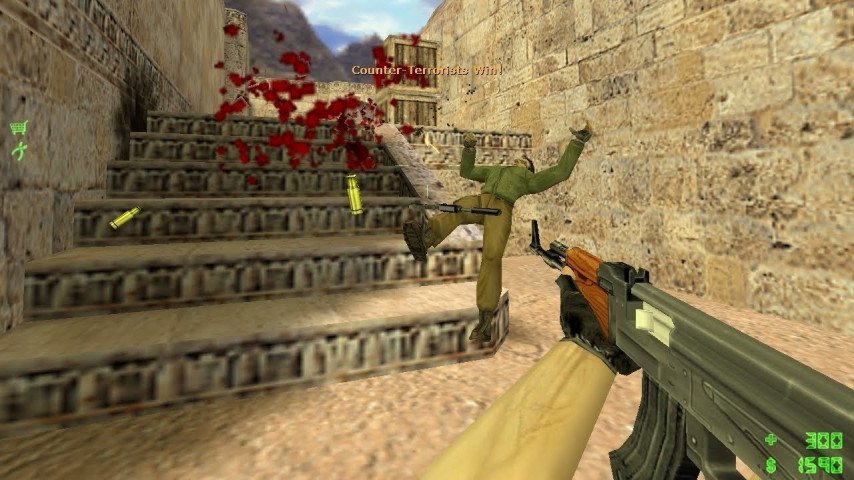
During the 1990s, PC gaming and esports began to gain momentum in Latin America. With the advent of the Internet, users gained access to online multiplayer games such as Quake and Counter-Strike, which became popular among gamers in the region. LAN competitions, which allowed players to compete with each other in local computer clubs, also became popular. Although professional teams and esports leagues did not yet exist in Latin America at that time, there were many amateur tournaments and competitions in the region. The popularity of PC gaming and esports continued to grow throughout the decade, laying the groundwork for explosive growth in the industry in the 2000s and beyond.

Starting from 1998 computer clubs began to gain popularity in the country. Young people came there to play for a few hours after school or university, some even instead of. But despite the region's love for esports, it is not easy to get into it. Providers and sellers in South American countries often receive new video games late, as most of them are not produced on the continent. Moreover, South American countries are characterized by a large population and not the highest incomes in some regions. Therefore, many residents of this region simply cannot afford to buy a modern computer or even access the internet. Accordingly, there are much fewer professional players from SA than in North America.
In addition, many games popular in the United States simply not indemand in South America. Another serious problem is the unstable internet connection, which we wrote about in more detail in our article.
Because of this, strategy and MOBA games could not gain the necessary popularity at that time, with the exception of perhaps Warcraft 3. Mostly people played online against each other, but there were also those skilled players who even broke through to international tournaments. With a ping of 200, mixes of ordinary Brazilian and Peruvian guys tried to stand up to Dota giants like Puppey and Dendi. The results were certainly not encouraging. But in FPS games, gamers were very successful. Sessions were short, and the games were undemanding. Moreover, anycomputer club could afford dozens of computers running CS without lag. Many in the community jokingly call Brazil the birthplace of FPS players, as they play shooters very well and often take first place in them.
Esports in Latin America from 2000 to 2012
The beginning of the 2000s was not very eventful for gaming; however, there were still some major events during this period. In 2002, Brazil hosted the World Cyber Games, which featured tournaments in games such as Starcraft and Counter-Strike. The same year took place the Brazilian Games Championship (CBJ), featuring competitions in games such as Quake III Arena and Unreal Tournament. In 2003, the World Cyber Games expanded to include Latin America, and the first regional qualifying tournament was held in Brazil. In 2004, the Cyberathlete Professional League (CPL) organized a tournament in Rio de Janeiro, featuring the best players from Brazil and the United States. The following year saw the creation of the Latin American Games League (LALG), which provided players from all over the region with the opportunity to participate in esports. These early events laid the foundation for the growth of electronic sports in Latin America, paving the way for future generations of gamers.
In the mid-2000s, esports continued to gain popularity in Latin America. Professional teams and leagues emerged in the region, and the number of tournaments and competitions held in the region increased. One of the significant events of that time was the World Cyber Games 2007 and DreamHack Winter. At the World Cyber Games 2007, Brazilian teams were able to take first place in games such as Carom3D and Need for Speed: Carbon. At DreamHack Winter, the Brazilian team MIBR took first place in the CS:GO discipline. These events helped to raise the profile of esports in the region and inspired many gamers to pursue careers in competitive gaming. Additionally, esports began to attract more media attention, with television events and news coverage becoming more widespread. Although electronic sports was still a relatively niche activity compared to traditional sports, it was clear that the industry was growing and had the potential to become a significant force in Latin American culture. This was one of the best periods for esports in the region. Investors also began to take notice, teams began to attract sponsors, and the success stories of local esports players inspired many people to play games. This continued until the mid-2008s.
In 2008, mass censorship of various sectors of the economy and media began in South America. Later, this phenomenon would be called Soft Censorship by the OPEN SOCIETY INSTITUTE NEW YORK and a detailed exposé on how it was carried out would be released. However, we are only interested in esports. It all started with Argentina, which became the first country to introduce rules limiting competitive tournaments and leagues. Brazil and Chile followed suit with laws restricting the amount of time young people can play video games and banning tournaments or matches that involve monetary rewards.. Interestingly, these lawswere aimed at sports in general, and as such, esports was officially recognized as a sport in South America as early as 2008.
Despite people's dissatisfaction, all the amendments were passed. Since then young people were forbidden from playing for more than 6 hours a day. The ban on prize money discouraged sponsors from creating or investing in teams, as they could now only earn funds at international tournaments. When we add to this the expensive computers and high ping for Latin Americans, we will geta practicalydestroyed esports scene. At that time, esports in SA survived on the passion and desire to play.
At first, after the ban, esports in the region declined, and if it weren't for the enthusiasts of that time, we might never have seen stars like coldzera or Fallen. Players began to seek investments for tournaments and events themselves, creating their own leagues despite everything and succeeding in doing so. They managed to attract Electronic Sports League (ESL) and Major League Gaming (MLG), which were among the largest esports organizations at the time, to the region. But this was only a small part of the Brazilian miracle in late 2008. Despite the restrictions, the Latin American Professional Video Game League (Liga de Videojuegos Profesionales) was created in 2008, which helped promote esports and organize professional competitions in the region. The league quickly gained popularity and by 2010 had established partnerships with major gaming companies such as Riot Games and Blizzard Entertainment. This helped to increase the visibility of esports in the region and attract more players and fans. During this time, many teams from Latin America emerged, such as paiN Gaming from Brazil and Lyon Gaming from Mexico, who achieved success on the international stage. The government could not ignore such a massive growth, and in 2012 recognized esports as an official sport in South American countries and lifted bans and restrictions.
Cybersport in SA from 2012 to 2016
Starting in 2012, alongside computer gaming, mobile gaming began to gain popularity in the region. The first major mobile gaming tournament was Gameloft's Modern Combat 3 in Mexico, held in 2012. The following year, Argentina hosted the Mobile Challenge of the Americas with popular games such as Angry Birds and Fruit Ninja. In 2014, the Brazil Game Show Mobile Challenge attracted over 10,000 participants competing in games like Clash of Clans and Subway Surfers. The same year the Brazilian Gaming Congress added a panel on mobile esports, indicating a growing interest in this area. In 2015, Gamelab Mobile was held in Buenos Aires with tournaments for games like Hearthstone and Vainglory. The growth of mobile esports in Latin America continued to gain momentum, laying the foundation for the development of regional players and events in the global esports industry.
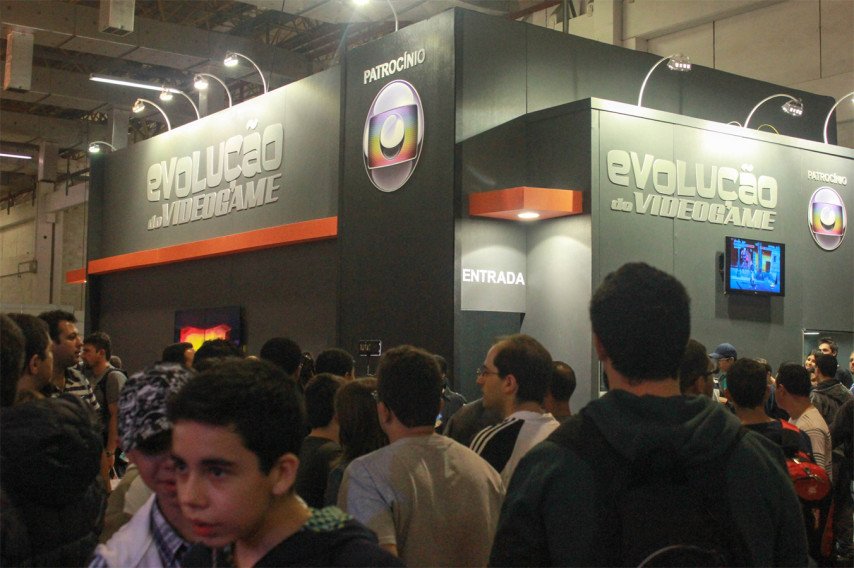
The period from 2012 to 2016 was significant for esports in Latin America. In 2012, Brazil Game Show hosted the first official League of Legends tournament in the region. The following year, the Latin American League of Legends Championship (LLN) was created, bringing together teams from across Latin America to compete. In 2014, Brazil Game Show became the first event in Latin America to offer a prize pool of over $100,000. That same year, the World Cyber Arena held its first qualifying tournament in Latin America in Sao Paulo. In 2015, Brazil hosted the Intel Extreme Masters Sao Paulo tournament, one of the largest esports events in the region at the time. In 2016, the LLN expanded to include teams from Mexico and became known as the Latin America North (LAN) region. Additionally, the region witnessed the rise of top players such as Felipe «brTT» Goncalves and Gabriel «Revolta» Henud, who made a name for themselves on the international stage. These years were decisive in establishing Latin America as a significant region in esports.
Fallen The legend
The period from 2012 to 2016 was a time of great success for the Brazilian CS:GO player, all thanks to the legend of CS, Gabriel «FalleN» Toledo. This player began his journey back in 2005 playing CS 1.6. From 2005 to 2012, the most successful tournament for the future legend was the IEM V American Championship Finals 2012, where he won a record $5000 with the PlayArt team. Before this tournament, Fallen could only win from $100 to $1000 at local Brazilian tournaments. Later, he would reveal in an interview that he had to look for money and sponsors himself, and team gatherings took place in computer clubs. A person of incredible perseverance, overcoming seven years of difficulties and receiving nothing in return, did not give up and continued his journey. In 2012, FalleN played for the CNB e-Sports Club team, which won the Brazil Game Show League of Legends tournament.
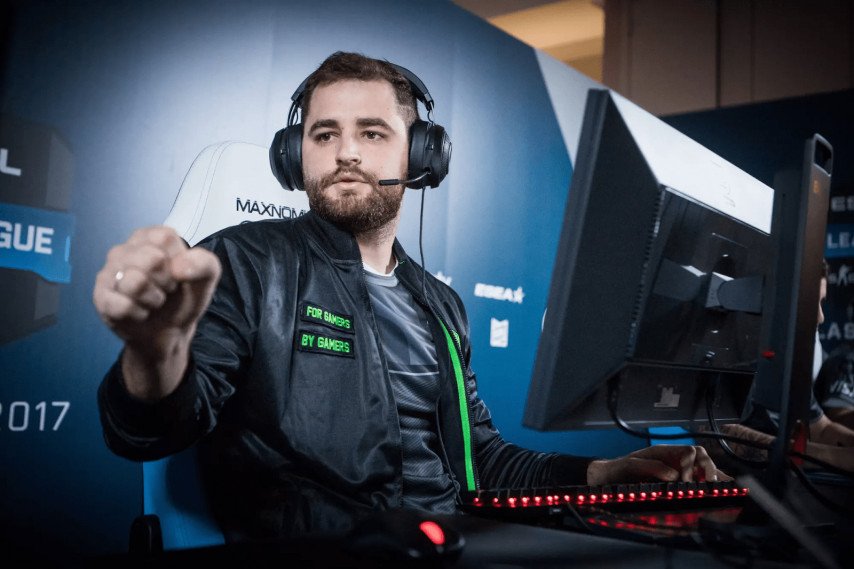
Gabriel «FalleN» Toledo
In 2013, FalleN switched to CS:GO and joined the paiN Gaming team, which won several regional tournaments that year. In 2014, FalleN joined the KaBuM! e-Sports team, which won the Brazilian Cup and the first season of the Brazilian CS:GO Championship. The team's success led to their representation of Brazil at the DreamHack Winter 2014 tournament in Sweden, where they shocked the CS:GO community by defeating some of the world's best teams. In 2015, FalleN joined the Luminosity Gaming team, which was no longer a local Brazilian team. It was with Luminosity Gaming that FalleN began his journey into Tier 1 CS. In 2015, the team consistently ranked 6-10th place in international tournaments before that very major. In 2016, the Brazilian shocked the world and won the MLG Columbus Major, winning a record prize for the SA region at the time - $500,000 and becoming the first captain of a Brazilian team to win a major.
SA in Esports from 2016 to 2020
July 2016, SK Gaming won the first season of the Esports Championship Series and continued to dominate in other tournaments throughout the year. In early 2017, SK Gaming won the ELEAGUE Major: Atlanta and Intel Extreme Masters XI - World Championship, solidifying their status as one of the greatest CS:GO teams of all time. FalleN's leadership and exceptional skills as an AWPer played a key role in the team's success. In 2018, SK Gaming faced some difficulties, but FalleN and his team were able to win the CS:GO Asia Championship and qualify for the FACEIT London Major, where they reached the quarterfinals. In 2019, FalleN and SK Gaming parted ways, and FalleN joined the newly formed MIBR team, but he was unable to replicate his past success. He is currently playing CS as part of the Imperial Esports team, and who knows, maybe the Brazilian genius can repeat his past successes. Although one thing is for sure: he has become an icon of Brazilian CS, and it is thanks to him that the game has gained such popularity in the region.
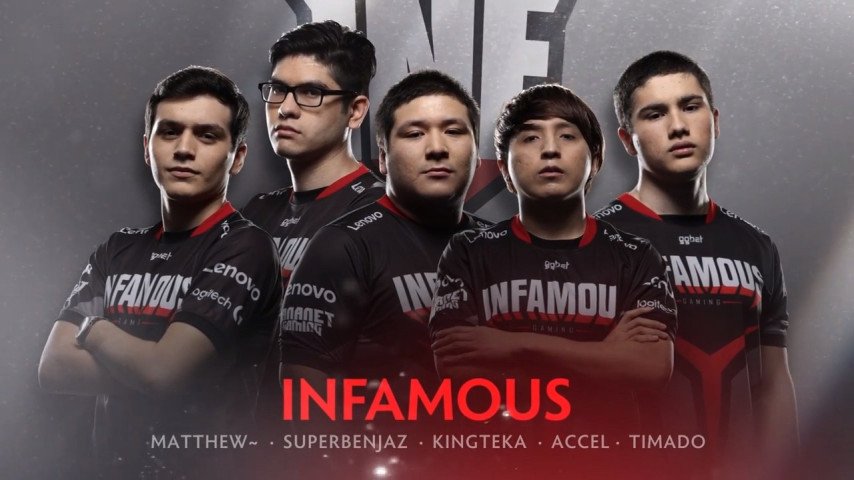
Infamous at The International 2017
Dota was not also left behind, as Infamous took 13-16th place at TI 2017, winning $123,440. Later, players from SG-esports took 5-8th place at the Kiev Major, winning $150,000. From this moment on, South American teams became frequent guests at world-renowned international tournaments. Local players had been working towards this for five long years. In the same year, the Americas Cup for Heroes of the Storm was held in Argentina, and the debut season of the Latin American League of Legends Championship Series (LLN) took place. In 2017, the Brazil Game Show hosted a esports event, including tournaments for games such as CS:GO and League of Legends. Also in that year, the Latin American Overwatch Championship took place in Mexico. Latin America was participating in more and more disciplines, and was even able to hold international tournaments in the region. The most popular disciplines at the time were League of Legends, Counter-Strike: Global Offensive, Overwatch, Dota 2, Rainbow Six Siege, Free Fire, Clash Royale, Fortnite, and PUBG.
As for mobile gaming, it was also actively developing. The main leaders of the industry became Clash Royale, Free Fire, and PUBG Mobile. In 2017, the Clash Royale Crown Championship world finals were held in London, with players from all over the world competing for a prize pool of $400,000. In 2018, the Free Fire World Cup was held in Rio de Janeiro, with teams from 12 different countries in the region participating. The tournament's prize pool was $100,000, and the Brazilian team Corinthians emerged victorious. Also in 2018, the PUBG Mobile Star Challenge took place in Dubai, featuring the best players from around the world, including Latin America. The following year saw the qualifying rounds and finals of the PUBG Mobile Club Open (PMCO) held in different regions, including Latin America. The tournament's prize pool was $2.5 million, and the Brazilian team LOUD emerged victorious in Latin America.
After such a rapid growth, the entire esports industry was hit with a surprise in the form of the COVID-19 pandemic. It had a significant impact on esports in Latin America, with many events and tournaments forced to go online or be canceled. In March 2020, the Unity League LVP, a tournament for the game League of Legends in Latin America, was postponed indefinitely due to safety concerns. However, some events were able to adapt to the new circumstances and continue in online mode. In May 2020, the Latin American Free Fire League moved its remaining matches online, allowing players to compete safely from their homes.
As the pandemic continued throughout 2020, many esports organizations in Latin America switched to online events and tournaments. The Latin American League (LLA) for the game League of Legends held its summer and winter seasons online, with matches streamed on platforms such as Twitch and YouTube. In August 2020, the PUBG Mobile Pro League Championship for Latin America was also held online, featuring teams from Brazil, Mexico, and other countries in the region. Dota also switched to an online format, and the TI itself was postponed. Despite the pandemic presenting numerous challenges for the esports industry in Latin America, it also highlighted the resilience and adaptability of the community in the face of difficulties.
SA in Esports in 2021
Starting in 2021, esports began to gain popularity in this region in almost all disciplines. Currently, North American residents play virtual games 2.3 hours more per week than in European countries. As for South America, users spend 3.2 hours more in games.
Of all the regions participating in the Dota Pro Circuit 2021, South America has grown the most in the last year. For example, in Brazil, there were more than 1,200 active esports players in 2021. Meanwhile, in the final season of 2022, Liga Latinoamérica (LLA) - the main League of Legends tournament among Spanish-speaking countries in America - registered more than 94,000 players and viewers.
Brazilian League of Legends is really interesting to watch and even has major sponsors such as BMW. In addition, players from North and South America were able to try out Wild Rift in the spring of 2021.
Like Lyon Gaming, which is nothing more than a champion team in South America in League of Legends and one of the most popular on the international stage, esports in South America is undoubtedly on the rise. Starting in 2021, many authoritative sponsors are fighting for their company logos to be displayed on the jerseys of the most talked-about esports teams (Kultec, Supermex, Intel, Asus, Arean, etc.) in South America.
The Valorant Champions Tour 2021 South America Last Chance Qualifier was held in the Brazilian city of São Paulo. This is a regional qualifying tournament in the VCT series. Eight teams participated in it. The event attracted fans with epic battles, and esports athletes - an impressive prize pool of 255,000 BRL and the opportunity to get to VALORANT Champions 2021. The winner was the FUR team.
At the same time, South America was excluded from the Overwatch Contenders 2021. According to McHugh, the program did not live up to Blizzard Entertainment's expectations.
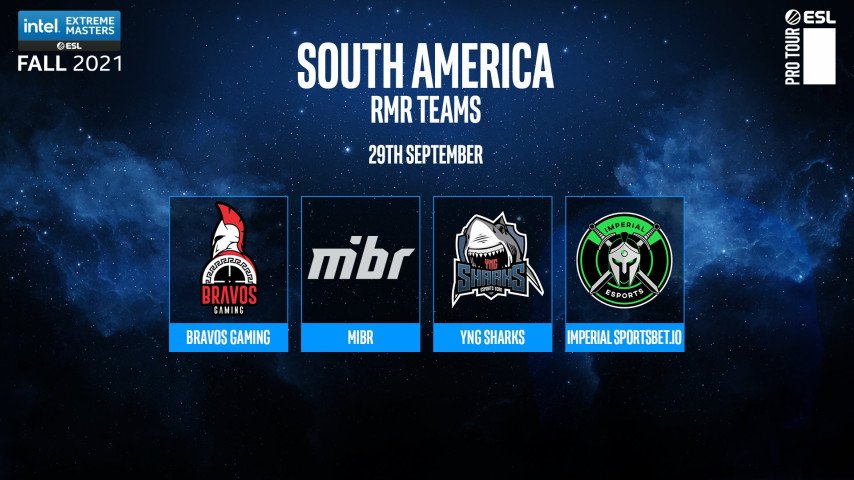
IEM South America 2021
It is also worth noting the IEM South America 2021. This is a CS:GO championship featuring the best teams in South America. Four organizations competed for the title, awards, and points on two tracks: RMR and ESL Pro Tour. The prize pool was $10,000. The Bravos team deservedly won and became the champion of IEM Fall 2021 South America.
Boom of esports in 2022
In 2022, there was a boom in the esports audience, which grew by 8.7% annually and reached 532,000,000 people. The coronavirus pandemic became both a catalyst and a destroyer, and the final result largely depended on the industry. Esports managed to reach a completely new level.
As the industry grew, so did viewership and interest in betting on such events. Games like League of Legends, Dota 2, and CS:GO continue to develop and make up a huge share of the entire esports betting market.
Countries such as Argentina, Chile, Peru, Colombia, and Ecuador have achieved significant success in esports. For example, Brazilian teams such as MIBR and FURIA are now at the Tier 1 level and compete in the world's top tournaments. Dota 2 is popular in Peru, and football simulators such as EA Sports FIFA and Pro Evolution Soccer are also very relevant in the SA region.
The world-famous CS:GO autumn major took place in one of the most vibrant countries in South America, namely Brazil. The local audience had been waiting for this event for two years. However, due to quarantine, the long-awaited celebration had to be postponed to the end of 2022.
From October 31 to November 13, the first major CS:GO event in Brazil's history took place in the heart of South America - Rio de Janeiro. 24 teams competed in IEM Rio 2022 for the only chance in their lives to play in front of the most passionate audience in all of esports. Astralis and G2 did not play at the IEM Rio Major. However, four teams from Eastern Europe and local FURIA Esports made it to the playoffs, which surprised many esports fans around the world.
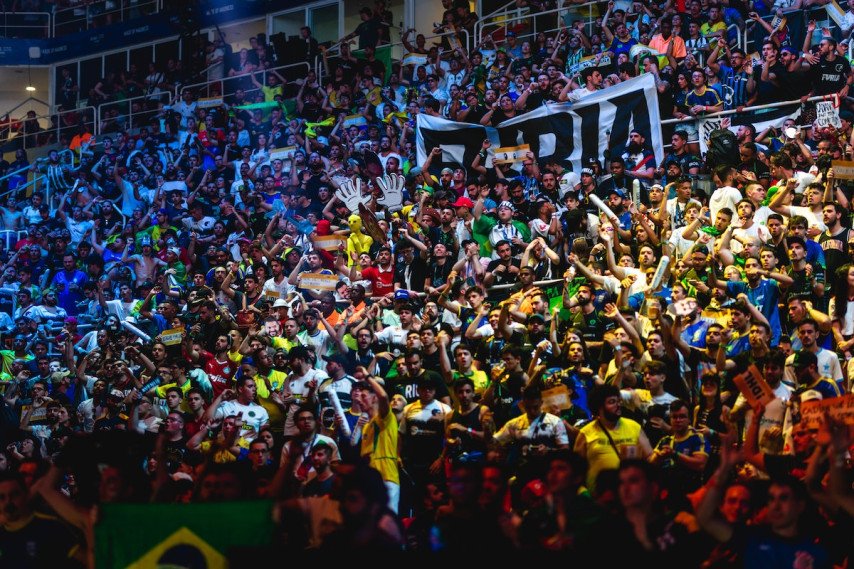
Brazilian fans rightfully consider themselves the hottest audience of this year. The decisive game of such an exciting tournament event was surpassed by the highly peaked online quarterfinals, in which NAVI and FURIA fought for victory. The event, which determined the major champion, had a peak of 1,148,606 views. At the same time, 1,388,355 viewers followed the confrontation between "born to win" and the Brazilians.
The Brazilian team Loid also did not disappoint their colleagues from CS:GO, taking first place in the most popular tournament among Brazilian esports fans in September, VALORANT Champions 2022. Interestingly, Brazilian broadcasts of the event gathered 452.2 thousand viewers for the Grand Final between LOUD and OpTic Gaming on September 18. Such an overwhelming victory allowed Brazilian broadcasts to set a new Peak Viewers record in the discipline.
The second most popular tournament among Brazilian viewers was also exciting. The League of Legends CBLOL 2022 Split 2 final between paiN Gaming and LOUD was watched more than 331,200 times. However, Portuguese-speaking viewers failed to set a record for the discipline.
The third honorary place in the ranking goes to the 2022 League of Legends World Championship. The match between LOUD and Beyond Gaming in the Play-In group stage had more than 286,100 views in the Brazilian broadcast. Most of them were clearly rooting for the Brazilian team.
The ESL Challenger at the DreamHack Melbourne 2022 tournament in CS:GO takes fourth place. Portuguese-speaking viewers were particularly drawn to the match between Entropiq and Imperial Esports, which gathered 97,500 views. Most of these viewers were following the game on the stream of Gaules, one of the most popular streamers in Brazil.
Peruvian teams performed exceptionally well at TI, earning more than regional football teams. The prize pool even exceeds that of Liga 1, the professional football championship in Peru.
Who finances this region?
The game Free Fire has become very popular in the South American region. Accordingly, many investors and sponsors associated with this game are investing specifically in this region. Many sports stars are buying clubs and financing the development of esports in South America. For example, world-famous footballer Neymar bought a League of Legends team. He increasingly streams with Simple and enjoys his favorite virtual games in CS:GO.
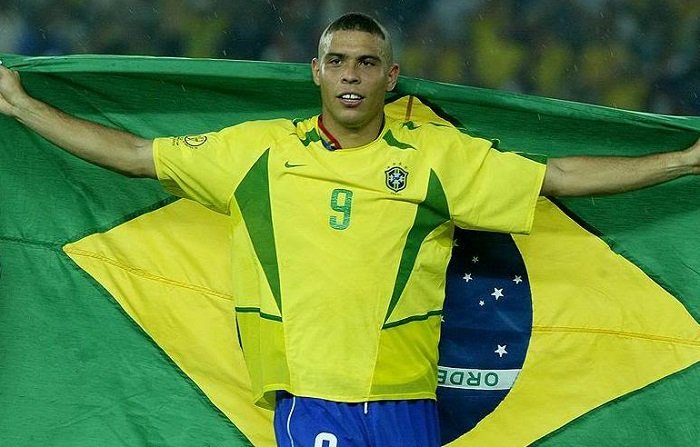
Ronaldo
Ronaldo also made his contribution to the development of esports in this region. The Brazilian footballer became a shareholder in the CNB e-Sports Club. The athlete decided to invest in this project after visiting several gaming houses of Brazilian teams.
In addition, former Barcelona player Javier Mascherano is actively involved in the development of esports in this region. The Argentine stated that he knows about the enormous popularity of esports in Europe, Asia, and North America. The athlete also noted that he considers SA a fairly promising region. Being confident in the opportunities of eSports Planet, Mascherano signed an agreement with the esports agency.
Years ago, his teammate Gerard Pique also contributed to the development of esports. He created his own league for the PES 2018 simulator, and Portuguese footballer Andre Gomes became one of the main investors in the organization G2 Esports. And this is only a small part of the list.
Which organizations are in SA?
Currently, teams from the SA region compete in every major, although many fans of this industry did not have this opportunity before. In South America, the strongest team in the game WARFACE is considered to be the Brazilian team Black Dragons. Currently, the esports teams based in Brazil include:
- Furia;
- Imperial;
- Loud;
- Made in Brazil;
- paiN Gaming.
- Isurus Gaming
- Flamengo Esports
- INTZ
- Infinity Esports
- Rainbow7
- Furious Gaming
- All Knights
- Santos e-Sports
What awaits esports in this region in 2023?
In 2023, South America promises to strengthen its position on the international stage and finally shed its label as the weakest region. It is expected that esports revenues in South America will steadily grow until 2027. In addition, experts predict that the global esports audience will grow significantly at an average annual growth rate of 9%, exceeding 646 million viewers and participants in 2023. The long-awaited Lima Major 2023 Dota 2 competition is already taking place in offline format with a huge number of spectators.
In the world of esports, the search for new content continues in the South American region. Being a still-developing market, it has contributed to the huge growth of the audience, offering gamers a new type of digital entertainment. However, esports in Latin America is developing not as fast as in Europe or North America. There are top-name teams in SA.
Things will go even better if professional players from other regions come to this region. This is the fastest way to develop. In any case, we look forward to exciting battles in the SA region and the return of top teams to the main esports tournaments in 2023!