
Patch 7.33: all you should know about new matchmaking
Author: Hawk Live LLC
Last updated:

In the large update 7.33, Valve changed the matchmaking system. The developers have added the Glicko algorithm for MMR.
Major changes
Matchmaking Rating (MMR) is really just made of two numbers: Rank and Rank Confidence. Your Rank is an estimate of your skill, and your Rank Confidence is developer’s confidence in that estimate. When you play a match, Valve adjusts your Rank based on whether you win or lose. Your Rank Confidence also goes up, because now developers have more data.
Dota 2 has traditionally used a modified version of the Elo algorithm to implement Rank and Rank Confidence changes. But over time, Valve noticed a few problems with this approach. For example, the distribution of MMR is gradually shifting lower, causing unwanted congestion in the 0-1000 MMR range. Another problem was that players who took a break and returned after a while found it difficult to return to the previous level of play and they did not meet the current MMR.
Previously, a conditionally fixed number of points was given for a victory. Let it be +30. If a player won several games in a row, he could “catch the boost system”, which instead of +30 gave him up to +100 rating points for winning. This partially solved the problem of boosters, but not smurf accounts.
New Glicko algorithm
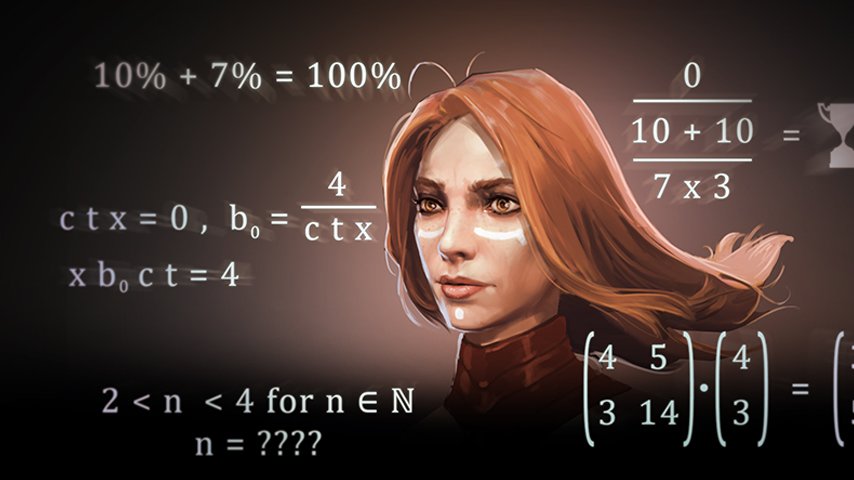
To solve these problems, matchmaking has been switched to another algorithm called Glicko, which will allow you to quickly and accurately get close to other players with the same skill level. In terms of math, Glicko allows the player's confidence in ranks to be better factored into Valve's calculations, resulting in more accurate rank gain and loss decisions.
The switch to new matchmaking system will feel a little like the start of a new matchmaking season:
- All players will be put back into short calibration mode, initially selected by their previous rank.
- Calibration is no longer fixed. There is no set number of matches. Instead, a player is considered calibrated if their rank confidence exceeds a certain threshold.
- After calibration, it is likely that you will get a different rank. However, even if your rank changes significantly, you should understand that players with the same skill level will compete with you.
- Matches will no longer have a fixed MMR gain/loss. It will vary depending on a number of factors, including ranks and participants' confidence in the ranks. However, there will be a minimum/maximum score bar to prevent particularly negative results.
- Confidence in a player's rank will slowly decrease over time if the player is not playing matches. Since during the absence of the game, his skills are falling.
However, you need to understand that the exact MMR is only one of many factors that affect the quality of the match.
Immortal matchmaking

The matchmaking for Immortal players has been reworked. Now the lineups will be formed not in a preliminary random way, but by drafting. The two captains will draw their lineups from the available pool of the remaining 8 players in the lobby. And if something goes wrong, you have only yourself to blame for your choice.
Other changes
Valve have reduced the number of Role Queue tokens granted when you lose an 'all roles selected' match. Now you’ll earn two tokens for a loss. (Winning still grants the full four tokens.) This change should help smooth out player behavior around Ranked Roles, where farming tokens sometimes takes precedence over playing an assigned role effectively.
Valve removed Captains Mode from Ranked and cut All Random and All Random Deathmatch from unranked. Almost no one plays these modes and queue times easily exceed one hour.