
How billions of dollars are being made from esports
Author: Hawk Live LLC
Last updated:
Continuing to enter into digital age, sports and entertainment areas are under a transformation those whose drivers are esports. America has witnessed a growing interest in esports in 2023 which coincides with the global trend. This article breaks down the reasons for such an interest including demographic insights, economic implications and changing consumer behavior related to esports events held within the US.
How has interest in esports changed in 2023?
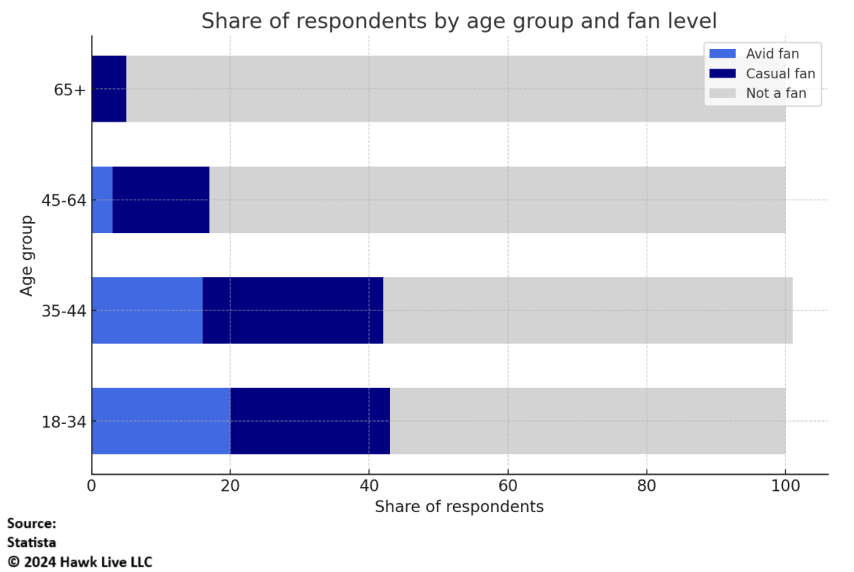
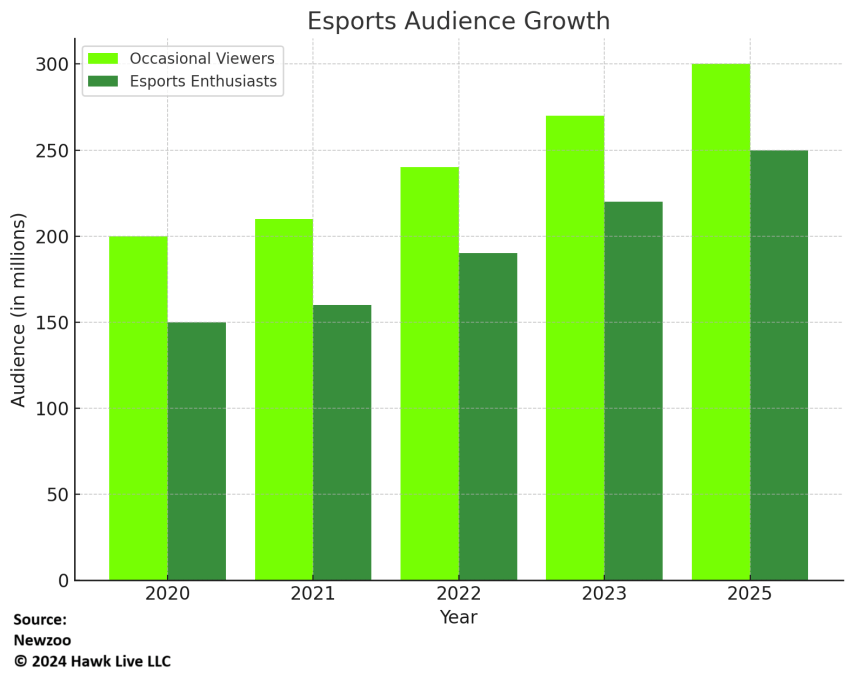
In 2023, esports continues to captivate a diverse audience in the U.S., appealing to various age groups, genders, and ethnic backgrounds.The attractiveness of esports does not know any boundaries between various groups of audiences because apart from attracting young males, who have been known as the majority target demographic, there is also a noticeable surge in females and older age brackets. Such inclusiveness in increasing the audience base indicated that esports’ credibility has evidently grown, making it more mainstream.
 How does esports affect the US economy?
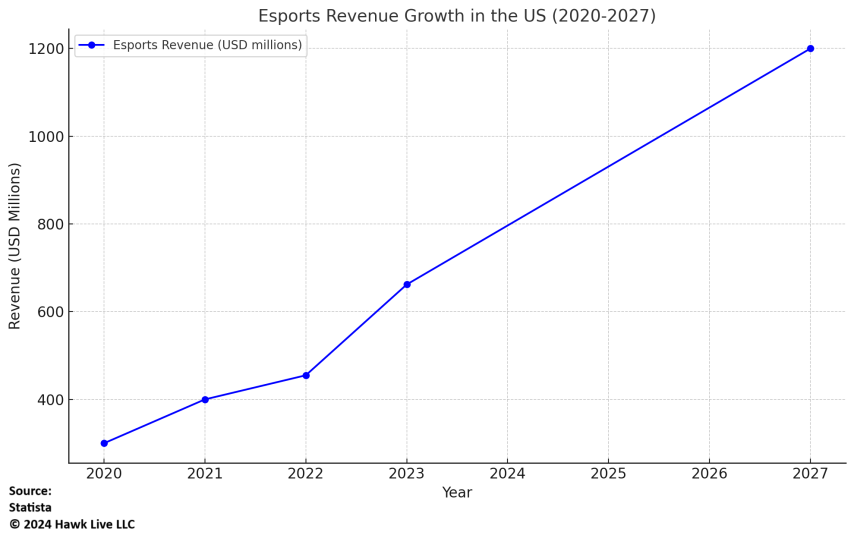
The financial power of the egaming sector is strong due to significant investments and revenues coming from areas like adverts, sponsors and media rights. By 2023, it is expecteded that there will be a high income level emanating from this market in the US with continued positive forecasts concerning future trends. Apart from direct industry revenues; this economy extends to stimulating other peripheral activities like digital infrastructure development; event facilitation while content generation isn’t left behind either.
 Growing interest in esports among new players
The growing interest in esports has led to its professionalization, creating structured systems that resemble those found in traditional sports. These systems now involve not only the athletes themselves but also a wide range of support staff, such as coaches, analysts, broadcasters, team managers, and even psychologists. This professional infrastructure is crucial for maintaining high standards of competition and ensuring that players can perform at their best, both mentally and physically.
One of the most significant developments contributing to the professionalization of esports is the increasing availability of scholarships for esports players at American universities. Institutions such as University of California, Irvine, and Robert Morris University have pioneered this movement, offering full or partial scholarships to skilled esports players. These programs provide access to state-of-the-art training facilities, professional coaching, and opportunities to compete in collegiate leagues. This formal support has helped transform esports from a casual hobby into a legitimate career path, making the transition to professionalism more structured and similar to that in conventional sports like basketball or football.
By offering such opportunities, universities recognize the growing cultural and economic influence of esports, while students benefit from not only competitive play but also from educational experiences in fields like game design, broadcasting, and event management. This integration of esports into academia helps ensure that future players are better prepared for both their careers in gaming and life beyond it.
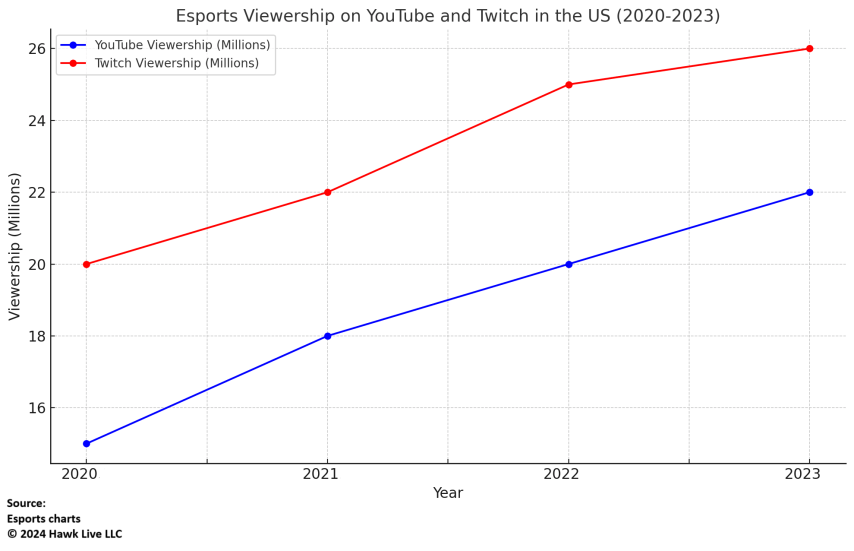
Additionally, the structured ecosystem surrounding professional esports offers long-term career opportunities, even for those who don’t pursue a playing career. Many former players go on to become coaches, analysts, commentators, or managers, adding another layer of depth to the esports industry and further cementing its legitimacy. These developments are contributing to a significant increase in interest in esports among new players who now see it as a viable career path, complete with the support networks typical of traditional sports.
What are the prospects for esports?
Esport professionals based in America now train just as hard as traditional athletes do .This training may entail physical fitness exercises along with psychological coaching sessions besides skills development thus outlining how demanding it can get when dealing with highest tier levels of competition.
Inclusive Community Building
esports creates community among its participants and audiences. In the United States, esports events provide platforms for gaming fans to come together and celebrate their passion away from the virtual world.
Popularization of games outside esports
Esports is expanding beyond the gaming industry and is now being actively integrated into educational and social spheres. Schools and universities in the U.S. and other countries have started incorporating esports into their curricula, recognizing it as an effective tool for developing important skills such as teamwork, strategic thinking, and technological literacy. For example, universities like the University of California, Irvine offer scholarship programs for esports athletes, making esports a part of the educational process.
Teamwork and leadership development play a crucial role in esports, also helping to improve communication and responsibility among students. Additionally, the use of cutting-edge technology in esports contributes to enhancing technological literacy, which is essential in the modern world.
The social benefits of esports are clear: participation in esports events promotes socialization, community-building, and interpersonal skills development. This makes esports not only a popular form of entertainment but also a valuable tool for shaping key competencies in the educational environment.
Outside educational institutions, esports is starting to be used in corporate training to enhance teamwork skills, as well as in military organizations, where strategic thinking and quick reactions are vital.
Technological Advancements
The increasing popularity of eGaming is due to innovations like cloud gaming and mobile platforms that are making it more accessible. The improvement in gaming hardware and internet infrastructure also aims at improving the quality of experience for players while also making it easier to access this type of game.
New technologies augmented reality (AR) as well as virtual reality (VR) will bring better experience compared to what people get from e-sporting today. This new trend provides new ways of interacting with esports related stuff thus showing us how our world will be affected by digital technologies.
As a fast growing industry, esporting has seen changes within regulatory frameworks. Governing issues, player rights, and maintenance of fair competition have been some focus areas among stakeholders in this field.
How popular is the US in global esports?
Having a vibrant gaming culture and robust technological infrastructure, the U.S. is set to be a major player in global esports. Nonetheless, it faces stiff competition from other regions, such as Asia, which have more historical experience and cultural acceptance of esports, thus contesting the US’s dominance within the industry.
Conclusion
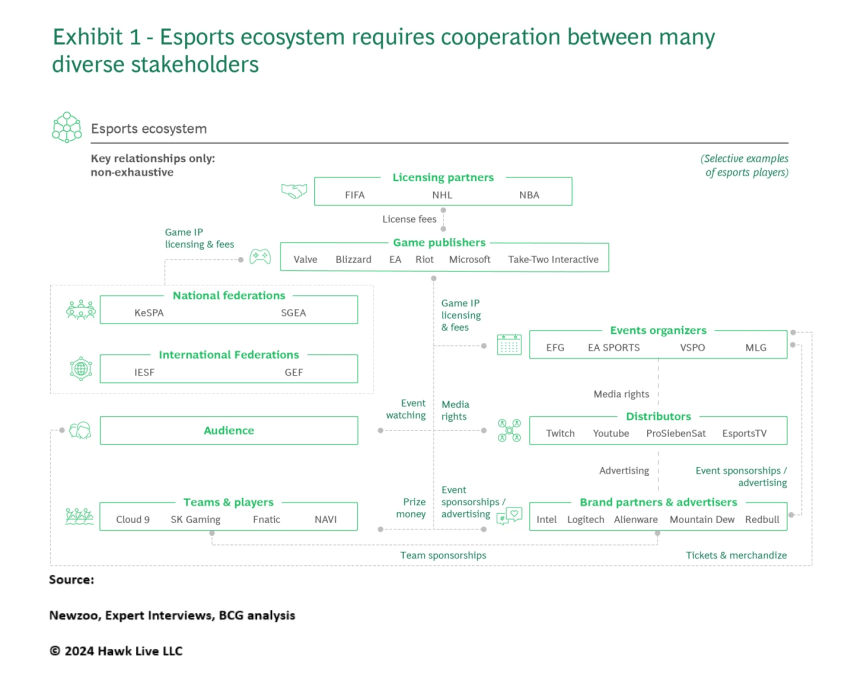
It can be concluded that the interest in esports by Americans in 2023 demonstrates its shift from being just a fringe activity to becoming mainstream entertainment or sport. By virtue of its huge economic influence, ever widening audience base and professional outlook, e-sports appears destined to become an institution in American mass media thus offering great prospects going forward.
For additional perspectives on the evolving esports landscape, explore our other research to learn about new technologies, major events, and community trends.