
Gaming has created a global problem that affects millions of Americans
Author: Hawk Live LLC
Last updated:
The transformation of the digital landscape has changed our way of connection, game and interact with each other bringing with it significant chances as well as challenges. Online gaming is one such popular platform that has attracted millions of players across the world who come together to enjoy their favorite games. However, this rise in online gaming has resulted in corresponding increase in offensive behaviors.
Main Forms of Harassment in Online Gaming
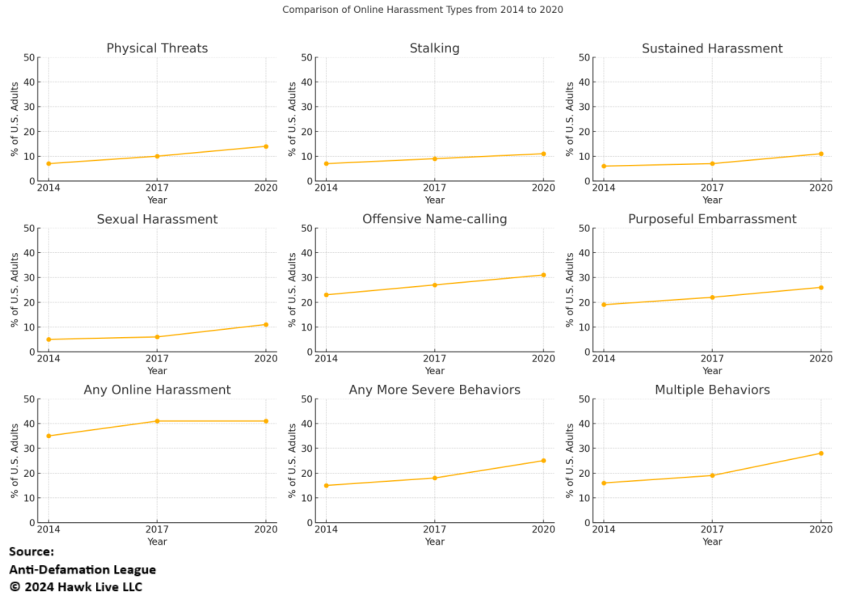
Online games encompass various forms of harassment that affect players based on their race, gender identity, and other factors. The main types of harassment include:
Offensive language – using insulting and derogatory expressions aimed at other players.
Stalking – targeted surveillance of a player, often accompanied by threats.
Threats and sustained abuse – expressing intentions to cause physical or emotional harm to other players.
Sexual harassment – unwanted comments or actions of a sexual nature.
ADL research indicates that the normalization of such forms of harassment and the desensitization of players towards them contribute to their spread. Moreover, online gaming often features extremist ideologies, including recruitment and the promotion of white supremacism.
The State of Online Harassment
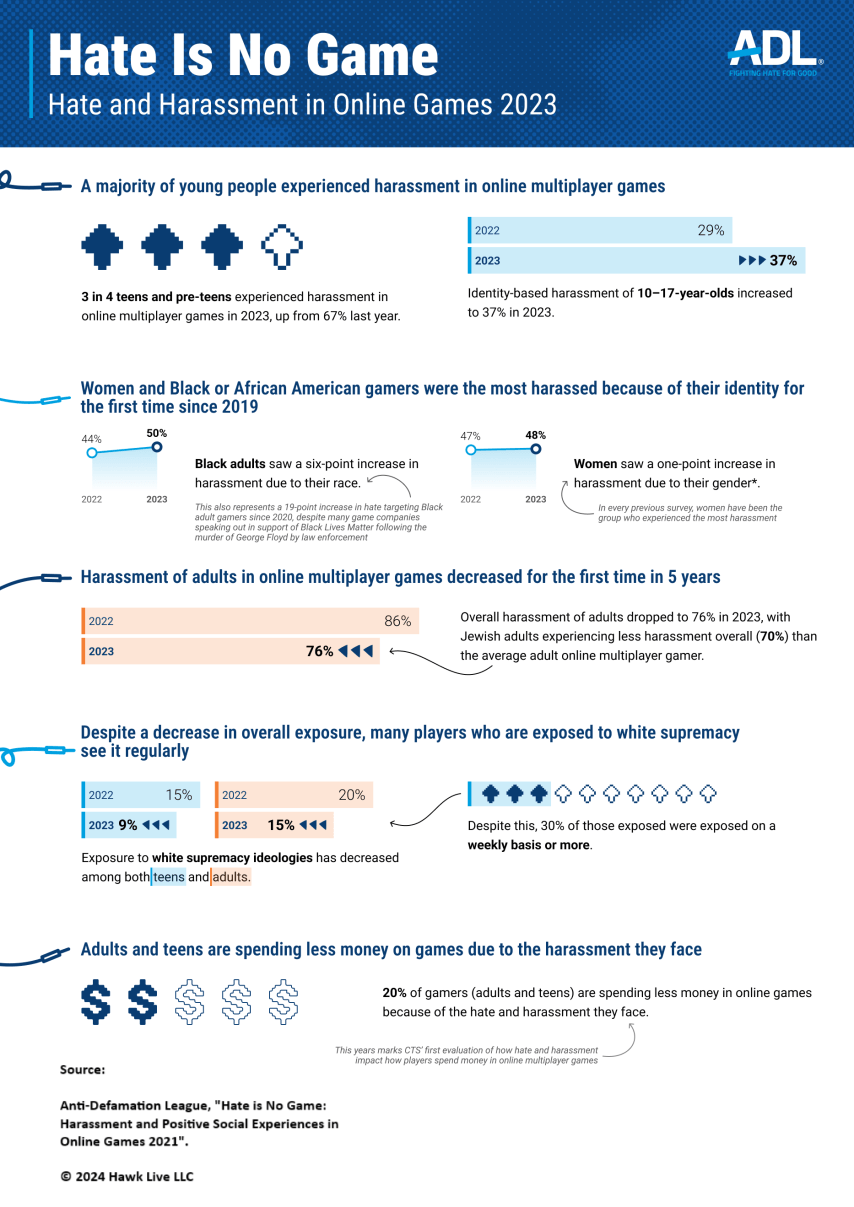
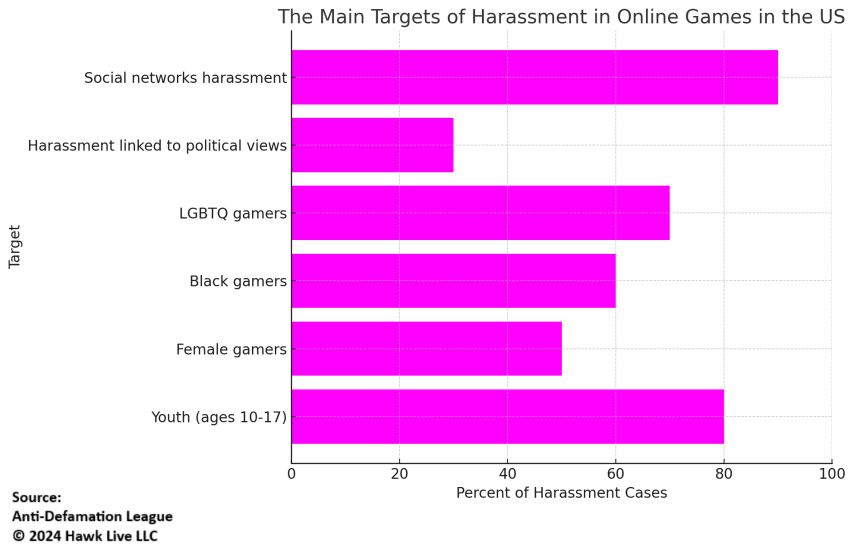
According to the Anti-Defamation League's (ADL) research, harassment in online multiplayer games is pervasive. Out of 110 million people playing online multiplayers games, 83 million have faced hate and harassment. These numbers show this worrying trend on hostile behavior especially among the younger players aged between 10-17 years whom a staggering 75% say they are harassed. This trend has continued unabated spelling the need for more robust moderation and transparency from game developers.
Forms of Harassment in Online Gaming
Online gaming includes various types of harassment that affect different players based on their race, gender identity and other factors. Offensive language, stalking, threats or sustained abuse, sexual harassment are all major issues experienced by players’. For example; ADL’s research proves that normality and desensitization towards these harassments including extreme recruitment and white supremacist ideology which is present in various forms in online gaming area.
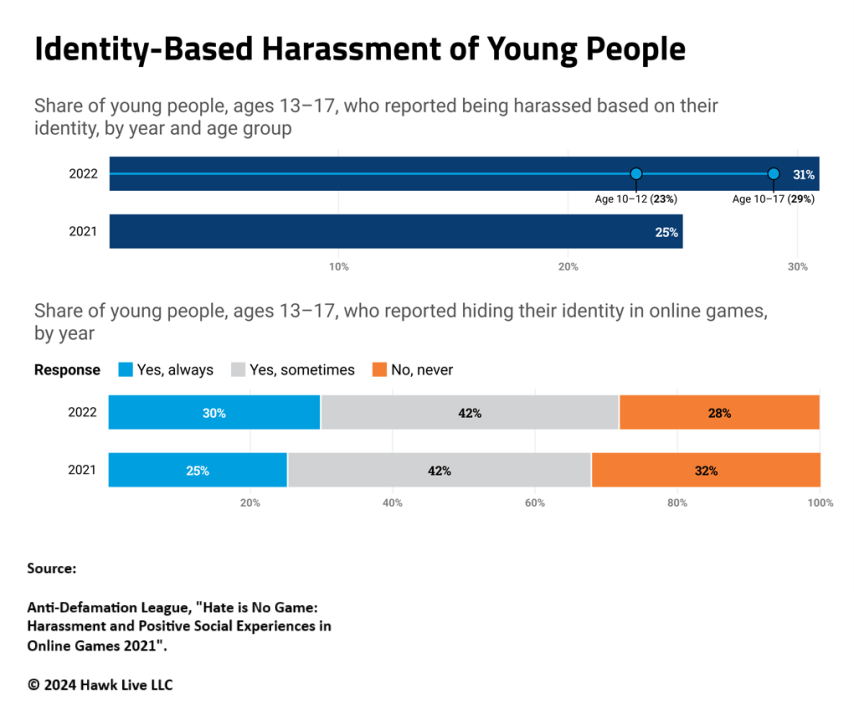
Harassment Based on Identity
Statistics indicate that specific demographics are disproportionately affected by harassment in online gaming. Women and Black gamers, for instance, face a significant portion of identity-based harassment. Among female gamers alone, 48% reported experiencing gender-based insults while half adult African-American online game enthusiasts (50%) face racial slurs compared to 44% registered back in 2022.
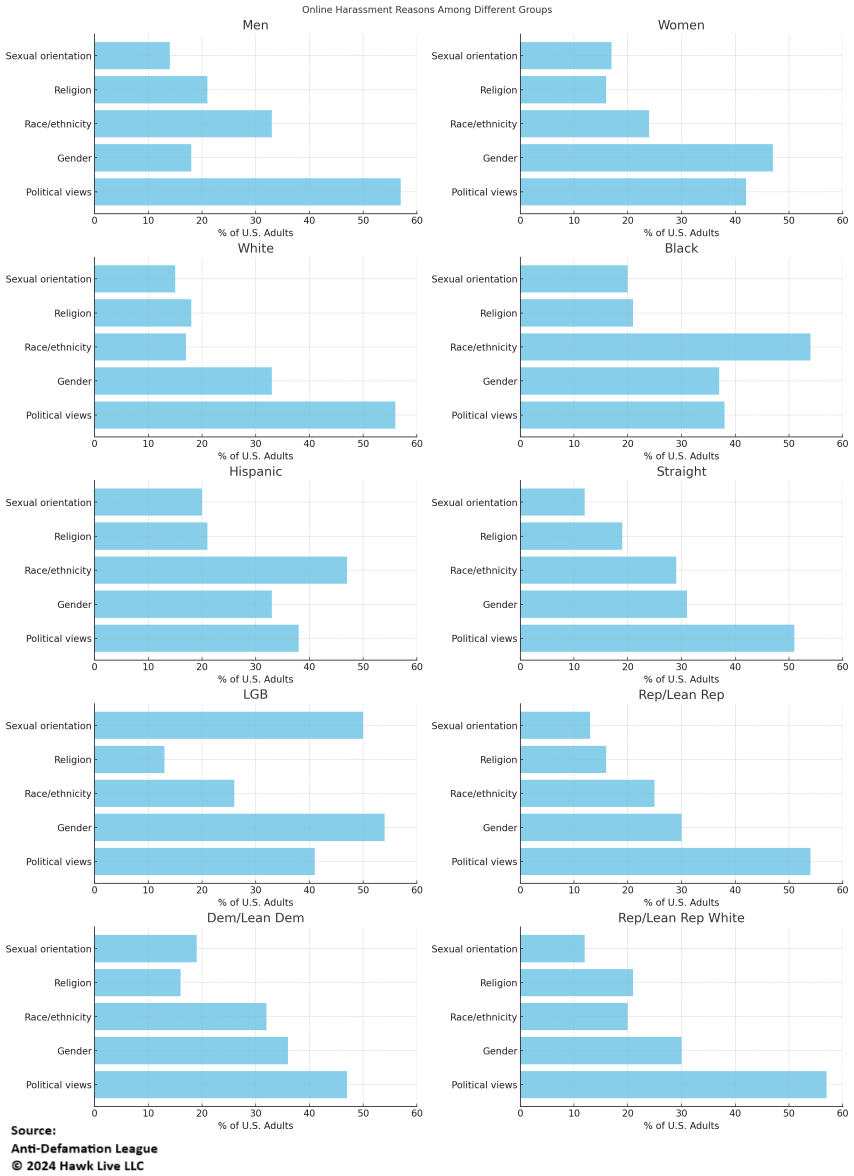
At the same time, LGBTQ+ adults are prone to being victims of cyberbullying far more often. The survey conducted by ADL indicates that as many as 70 percent within this group of people face harassment and 51 percent experience severe abuse.
The Role of Social Media
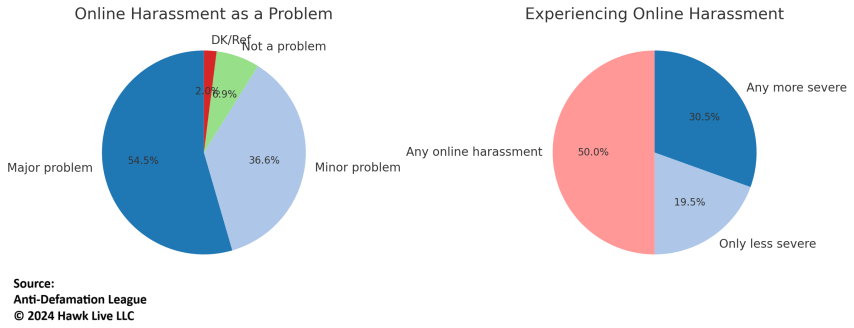
Research by the Pew Research Center indicates that social media remains the primary venue for online harassment. For instance, 75% of respondents said that their most recent bullying took place on social media sites. Besides, 41% of adults have been targeted by cruel cyber bullies, with one in four experiencing massive forms of harassment. Consequently, such behaviors seem to thrive on social networks due to their incessant interconnectedness.
Political Views and Harassment
The Pew Research Center concludes that political beliefs have substantial association with digital oppression. In addition, according to the survey this number has gone up by six percentage points from 2017 meaning that now 20% of those harassed say it is because of their political views. Furthermore, disparities in racial and gender-based harassment are also alarming. Almost half (49%) of women who had experienced online bullying believed they were targeted due to their gender while nearly half (50%) Black and Hispanic victims thought it was racially or ethnically motivated.
Response to Online Harassment
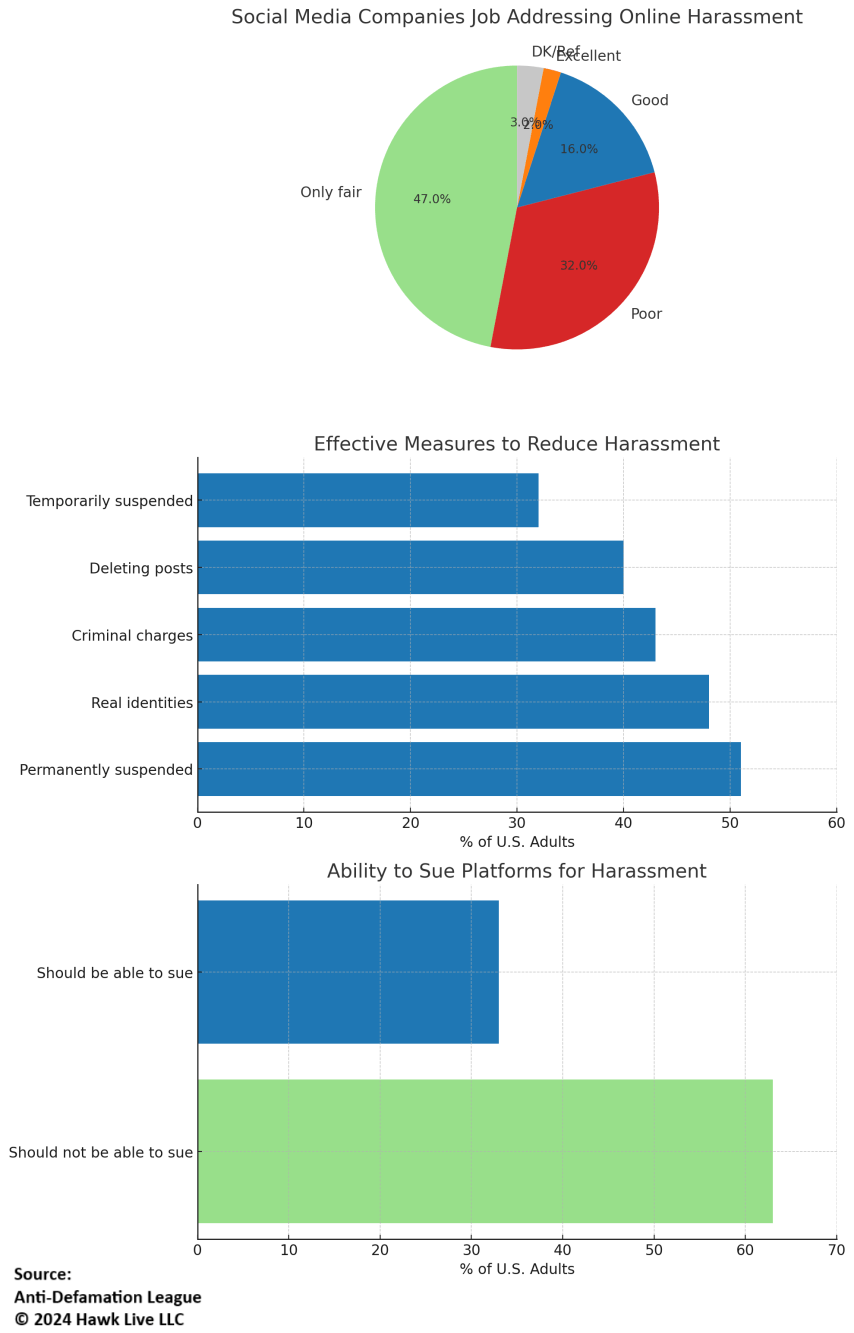
Although there has been widespread dissatisfaction with how social media companies handle online harassment, a solution remains elusive. A significant number (79%) of people surveyed by Pew believe these organizations are not handling the issue well enough. Nevertheless, optimism lies ahead since almost half (51%) feel that permanently suspending users who bully others online as well as having real identities (48%) will go a long way in reducing such incidences.
Conclusion
The problem of harassment in online games is a very important one that needs immediate attention from all parties involved. As the gaming community continues to expand and diversify, industry leaders must confront this issue directly. By being more open, having stricter moderation rules and showing commitment to involving everyone, the world of video gaming can be safer for all and sundry.
 Discover more about the latest developments in competitive gaming by browsing our other research. Stay informed on how esports continues to shape modern entertainment.