
Mastering Dota 2: A Comprehensive Beginner's Guide to Strategies and Gameplay.
Author: Hawk Live LLC
Last updated:
Dota 2 is not just a game; it’s an online strategy world that helps to build reflexes and out of the box thinking. With millions of players and viewers worldwide, Dota 2 hosts many exciting tournaments like the annual World Championship – The International having a huge price pool.
The core of Dota 2 consists of teams with five players each representing good and evil forces struggling for the destruction of enemy Ancient Throne. Diversity in hero selection gives room for different strategies and combinations.
Get started with Dota 2 or join our lively community using this article to familiarize yourself with the basic elements of the game.
Dota 2: Basics and Game Mechanics
Dota 2 Map:
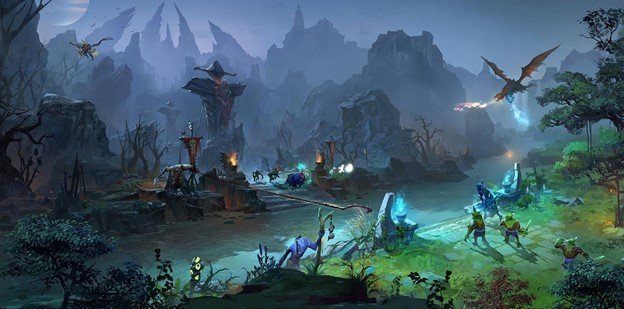
On the game field, which in Dota 2 is called map, two teams fight. The map has symmetrical structure divided into three main lanes known as Top, Mid, and Bot lanes.The area between these lines is referred to as jungle.
Creeps:
On the Dota 2 battlefield, there are various types of creeps:
Lane Creeps - These are units that automatically spawn on the lanes and move along them, attacking enemy creeps and towers. Lane creeps consist of weaker melee creeps and more vulnerable ranged creeps.
Neutral Creeps - These are creeps located in the jungle between the lanes. They do not belong to either team and can be attacked and killed by any player. Neutral creeps are divided into different camps, each containing various types of creeps with unique abilities and difficulty levels.
By killing creeps, players gain experience and gold needed to level up their skills and purchase powerful items and artifacts.
Roshan is a mythical creature in Dota 2, dropping unique items upon its defeat. By seizing these items, your team gains an additional advantage in battle.
The last towers (T3) protect buildings called barracks. The destruction of all barracks triggers waves of mega creeps, which will assist in demolishing the enemy throne.
Dota 2 Heroes Classification and Gameplay: A Beginner's Guide
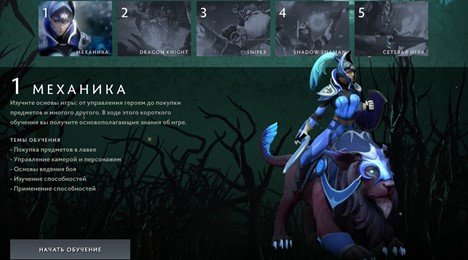
In Dota 2, heroes are divided into four classes: strength, agility, intelligence and universals. Strength heroes usually have a huge amount of health points and inflict great damage but move slowly.Agility heroes possess high mobility and attack speed.Intelligent ones are often supports relying on mana.Universal category represents new inclusions having an even increase in all attributes.
Understanding the gameplay in Dota 2:
Before starting a match in Dota 2, it is important to determine the position and role you intend to play. This may involve farming the jungle or lanes, depending on the chosen hero.
Normally, teams split into two on top and bottom lanes while one midlaner goes solo to mid lane. The latter one receives more XP (experience) and gold because he/she doesn’t have to share them after killing creeps or heroes.
Dota 2 Roles
Carry - a hero who heavily relies on gold and items, becoming the main attacking force for the team towards the later stages of the game.
Midlaner - goes to the middle lane, aiming to gain experience and gold to quickly overpower enemy heroes and provide assistance to the team on other lanes.
Offlane - a hero who goes to the challenging lane for leveling up, often fulfilling the role of tank and initiator in the team.
Soft Support - a player who assists the team with more opportunities for gold and experience farming. They can serve as the secondary supporting hero on a lane or rotate to help on other lanes. Hard Support - ensures the farm for the carry, responsible for map control and supporting the team. They purchase support items such as wards, dust, gems, or consumables for their items.
In addition to these roles, there is the concept of Core roles.
Core roles - positions responsible for the primary damage output in the team. Core roles include Offlane, Midlaner, and Carry.
Mastering Dota 2 Tactics and Strategies
Dota 2 is a complex game that requires an understanding of the heroes' abilities, the game mechanics, and effective communication with your team. A key aspect of the game involves the application of tactics and strategies. This involves understanding when to be aggressive, when to defend, when to push lanes, and when to gather for team fights.
Watching professional games and streams can be very helpful in understanding the game's depth. Try different heroes, roles, and playstyles to find what suits you the best.
Remember, Dota 2 is a game that demands patience and practice. It's normal to have challenging matches, but with time and dedication, you will improve your skills and start winning games.
Understanding Gameplay in Dota 2
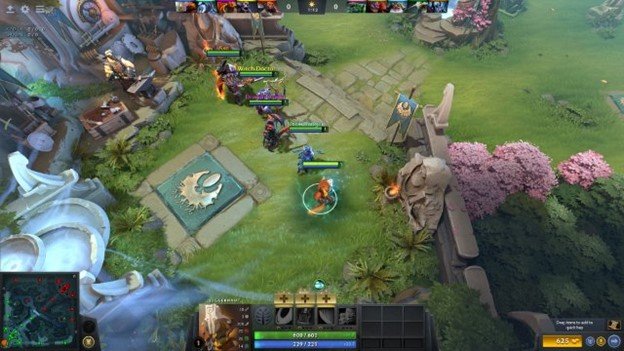
Before starting a match in Dota 2, it's essential to decide on the position and role you're going to take. This may involve farming jungles or lanes, depending on the hero chosen.
Usually, the team splits into pairs for the top and bottom lanes, while the midder takes the middle lane solo. The midder earns more experience and gold as they do not have to share rewards after killing creeps or heroes.
A carry is a hero who heavily relies on gold and items, and towards the end of the game, they become the team's main attacking force.
An offlaner is a hero who takes the hard lane to level up, and the higher their level, the more damage they can deal.
Roamers and Supports are support heroes who help on the lanes and place wards around the map for vision.
Stages of Dota 2 Gameplay and a Guide for Beginners
Dota 2 gameplay includes several stages:
• Early Game;
• Mid Game;
• Late Game.
During Early Game stage of Dota 2, players focus on farming to get gold and experience points for upgrading their heroes. In Mid Game, they start actively fighting and trying to capture territories on the map. And finally, at Late Game phase it is aimed at destroying the enemy's ancient throne.
Coordination among team members is very important in Dota 2 if you want to win. Each player must know his role well and play effectively. Moreover communication between them during matches is also vital in defining match success. Remember there are penalties such as penalty system in case of abuse by players while playing.
Dota 2 Tips for Beginners
For a team, developing a strategic action plan is key to success. This would help you control the game field, and antagonize enemy actions by placing your heroes appropriately on the map and analyzing information collected.
This unique world has no predefined strategies for newcomers in Dota 2. Remember that every hero had its specific techniques as well as mechanics. By studying heroes, their combinations, and ability linkages, an unlimited number of strategic possibilities will be opened up to you.
Furthermore, starting with simple heroes and learning basic game mechanics should be recommended for beginners in Dota 2. Watching professional matches could prove helpful since it is possible to learn from esports best players’ experience. Thus, improving gaming skills is not an overnight process but rather a persistent effort over time.
Conclusions
Dota 2 is a complicated yet fascinating and captivating game. Go back to basics first; then gradually develop your skills. Team play as well as communication between players are crucial factors towards victory. Nonetheless, any novice in Dota 2 can hit high results if they find the right approach and show persistence through complexity.